John Lewis: Celebrating a Hero
2020
No user ratings available yet
Representation score: 9.1 out of 10
Representation Score
Fair
1997
TV-14Director
Spike Lee
Runtime
102 minutes
Average Rating
No ratings yetNew Showbiz Analysis
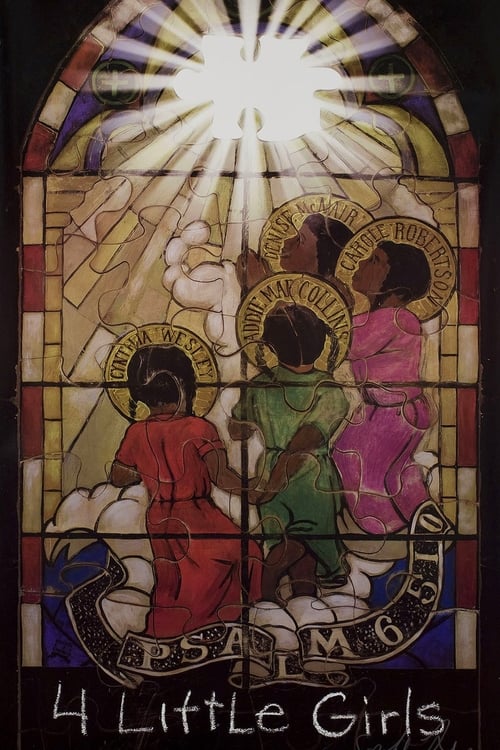
Spike Lee’s documentary provides a rigorous examination of systemic racial violence by focusing on the 1963 Birmingham church bombing. It shifts the historical focus from abstract politics to the visceral reality of racial terrorism experienced by Black families. The film excels in its racial and cultural depth, portraying the Black church as a site of resistance and documenting the profound impact of white supremacy. By prioritizing the humanity of the victims, it disrupts sanitized versions of the Jim Crow era. While the film offers powerful gender representation by elevating female experiences, it lacks LGBTQ+ narratives and specific depictions of disability. The focus remains strictly on the historical documentation of the Civil Rights Movement.
Category Breakdown
The documentary focuses solely on the historical documentation of the Civil Rights Movement and does not include any LGBTQ+ characters or narratives.
The film centers the lives of four young girls, highlighting their resilience and importance as foundational pillars of the community. It portrays Black women as strong and influential figures.
This film centers the Black experience and challenges the traditional Anglo-centric historical canon by using a non-white majority perspective.
The narrative highlights the Black church as a vital center for social resistance and community survival. It critiques Western institutions for their role in systemic oppression.
There are no specific depictions of visible or invisible disabilities that serve as central narrative drivers or character traits.
Present on Screen
Limited or Absent
Official Synopsis
On September 15, 1963, a bomb destroyed a black church in Birmingham, Alabama, killing four young girls who were there for Sunday school. It was a crime that shocked the nation--and a defining moment in the history of the civil-rights movement. Spike Lee re-examines the full story of the bombing, including a revealing interview with former Alabama Governor George Wallace.
2020
2012
1989
1996

2018
2017
2003
1990
No reviews yet. Be the first to share your thoughts on this movie!
Use the rating form above to leave a star rating and optional review.