
The Last Bomb
1945
No user ratings available yet
Representation score: 0.3 out of 10
Representation Score
Limited
2015
TV-14Director
Martina Hall
Runtime
46 minutes
Average Rating
No ratings yetNew Showbiz Analysis
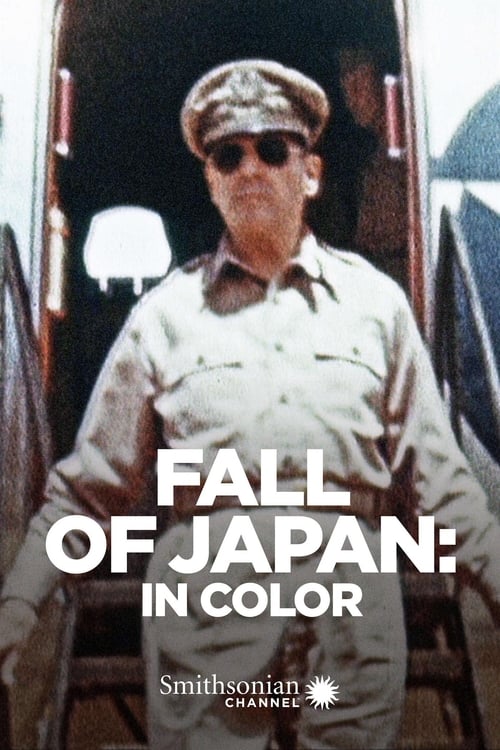
Fall of Japan: In Color is a traditional historical documentary constrained by its archival subject matter. The narrative structure mirrors the demographic compositions and hierarchies of the mid-20th-century military era. Since the film relies on historical footage of the Pacific campaign, the representation is dictated by the historical record rather than intentional creative choices. This results in a profile that prioritizes military operations over diverse character-driven arcs. Ultimately, the film serves as a chronological record of conflict. It lacks the narrative ability to act or modern social perspectives required to move beyond the standard demographic patterns of the WWII period.
Category Breakdown
The documentary focuses on military history and geopolitical shifts. There are no characters or narratives addressing LGBTQ+ identities.
The Pacific Theater is historically dominated by male combatants and leadership. Women are mostly seen in auxiliary roles, while men take the lead roles.
The film documents diverse global actors, including Japanese and Pacific Island populations. These groups often function as combatants or victims within a geopolitical struggle.
The film explores the collapse of Japanese national power and Western military triumph. It functions primarily as a chronicle of historical events rather than a cultural critique.
There is no evidence of the inclusion or portrayal of individuals with physical or neurodivergent disabilities.
Present on Screen
Limited or Absent
Official Synopsis
William Courtenay's color film of the pacific campaign and Japan's downfall.
1945
2012
2015
2000
2011
2020
1942
1944
No reviews yet. Be the first to share your thoughts on this movie!
Use the rating form above to leave a star rating and optional review.