
Mission Mars
1968
No user ratings available yet
Representation score: 2.3 out of 10
Representation Score
Fair
1969
GDirector
Robert Parrish
Runtime
101 minutes
Average Rating
No ratings yetNew Showbiz Analysis
Doppelgänger stands out for its era-atypical casting, particularly through a Japanese-descended lead who provides a more diverse visual landscape compared to typical 1969 thrillers. This choice breaks the homogeneity of casting standards from that period. The film also offers a nuanced subversion of gender roles. By centering the psychological tension on a woman navigating a manipulated reality, it avoids traditional gender hierarchies and challenges the stabilizing role of the male character. However, the film remains limited by its narrow focus. It lacks LGBTQ+ representation and uses mental instability more as a narrative tool for suspense rather than a meaningful exploration of neurodivergence.
Category Breakdown
The film does not include any LGBTQ+ characters or stories. Relationships are centered around a traditional marriage that faces conflict.
The story focuses on a female protagonist's intellectual struggle against a destabilizing partner. It challenges traditional gender roles by depicting the male figure as a source of manipulation.
Michaela Okamoto’s leading role marks a significant shift from the typical casting practices of 1969. This Japanese-descended protagonist challenges the era's usual focus on Anglo actors in psychological thrillers.
The story emphasizes the instability of truth and lacks direct critiques of Western institutions. It stays focused on the private, domestic sphere.
Themes of mental instability serve mainly as plot drivers for the thriller genre. The film uses psychological distress more as a tension device rather than a meaningful exploration of mental health issues.
Present on Screen
Limited or Absent
Official Synopsis
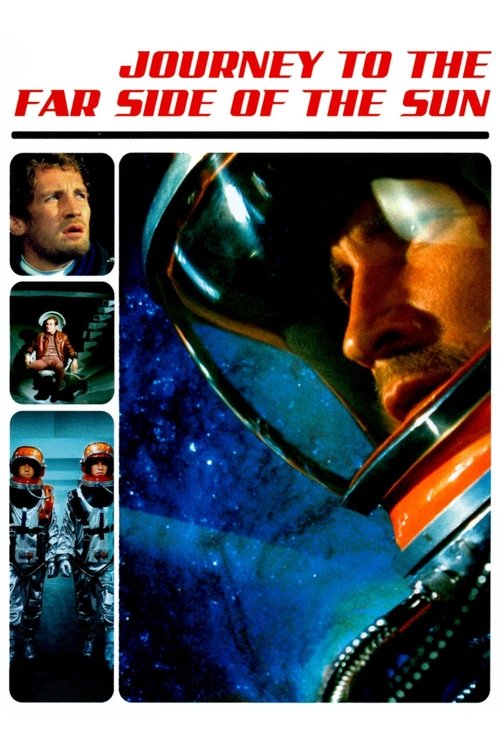
A planet is discovered in the same orbit as Earth's but is located on the exact opposite side of the sun, making it not visible from Earth. The European Space Exploration Council decide to send American astronaut Glenn Ross and British scientist John Kane via spaceship to explore the other planet.
1968

1963

1968

1951

1960
1956
1969

1964
No reviews yet. Be the first to share your thoughts on this movie!
Use the rating form above to leave a star rating and optional review.