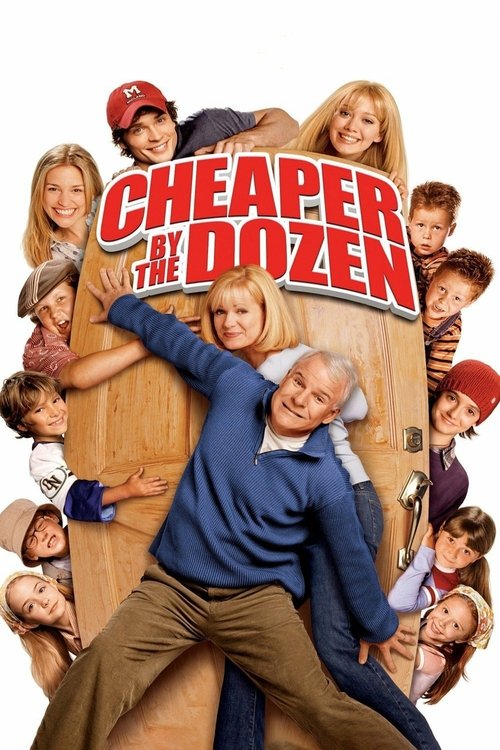
Cheaper by the Dozen
2003
No user ratings available yet
Representation score: 2.4 out of 10
Representation Score
Minimal
2007
PGDirector
Steve Carr
Runtime
92 minutes
Average Rating
No ratings yetNew Showbiz Analysis
The film successfully diversifies the suburban comedy genre by focusing on a multiracial family. By placing characters of color at the core of the emotional journey, it goes beyond including someone from a minority group without giving them real depth to normalize diverse family structures. However, the narrative still leans heavily on conventional gender roles and a traditional Western capitalist framework, prioritizing broad relatability over more progressive themes. While the casting provides meaningful representation, the lack of depth in LGBTQ+ and disability representation keeps the overall impact moderate.
Category Breakdown
The film does not include any LGBTQ+ characters or non-cisgender identities. It focuses solely on heterosexual relationships and traditional family structures.
The story uses a traditional patriarchal family structure for humor. Despite this, the female lead plays a crucial role in making key decisions, reflecting a balance between traditional roles and modern ability to act.
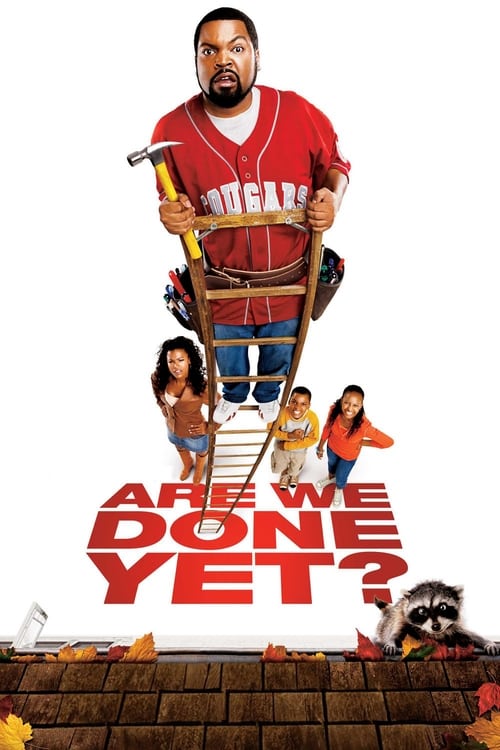
By featuring a multiracial family with actors like Ice Cube and Nia Long, the film challenges the stereotype of the homogeneous white suburban family. It offers a detailed portrayal of a contemporary, mixed-race household.
The storyline centers around the pursuit of the American dream and homeownership, emphasizing traditional Western institutions and the nuclear family as sources of stability.
The film does not prominently feature characters with visible or invisible disabilities. Instead, it portrays characters within typical, able-bodied comedic roles.
Present on Screen
Limited or Absent
Official Synopsis
Newlyweds Nick and Suzanne decide to move to the suburbs to provide a better life for their two kids. But their idea of a dream home is disturbed by a contractor with a bizarre approach to business.
2003
1968
2009
1995
2003

2011
2004
1990
No reviews yet. Be the first to share your thoughts on this movie!
Use the rating form above to leave a star rating and optional review.