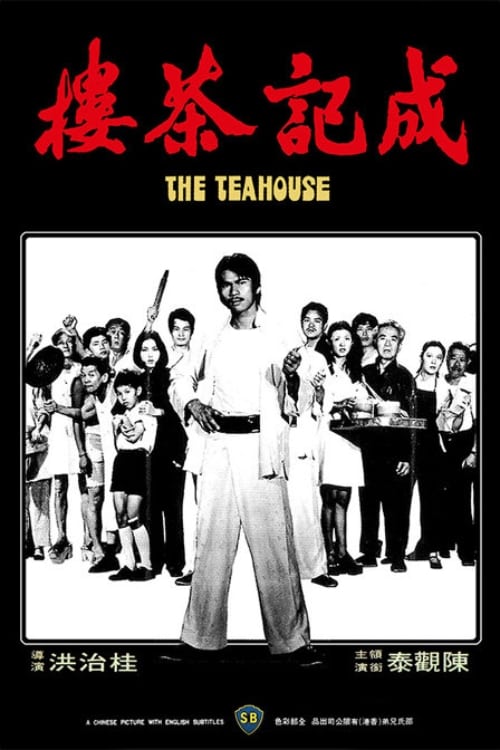
The Tea House
1974
No user ratings available yet
Representation score: 2.0 out of 10
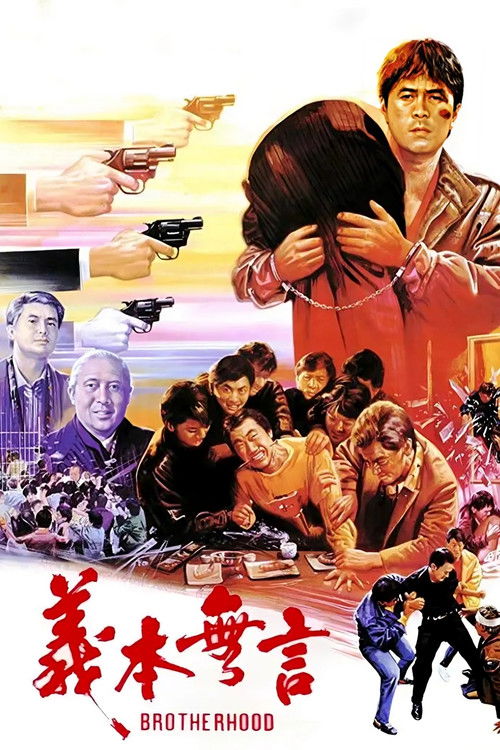
Representation Score
Limited
1987
Director
Billy Chan Wui-Ngai
Runtime
93 minutes
Average Rating
No ratings yetNew Showbiz Analysis
Code of Honor is a traditional crime drama that gains depth through ethnic diversity rather than social subversion. The inclusion of a Vietnamese refugee as a moral protagonist adds complexity to the Hong Kong setting. However, the film is constrained by its heavy reliance on patriarchal hierarchies. The central conflict revolves around masculine honor codes and male lineage, limiting the narrative's progressive potential. Ultimately, while the film successfully explores surrogate kinship and the immigrant experience, it fails to address gender or LGBTQ+ diversity, staying firmly within conventional genre clichés.
Category Breakdown
The film does not include any LGBTQ+ characters or non-cisgender identities. The story focuses solely on patriarchal lineage and traditional masculine behavior.
The story centers heavily on a patriarchal hierarchy. Although not explicitly misogynistic, the lack of women's ability to drive the story indicates that women are confined to secondary or domestic roles.
The film offers meaningful ethnic diversity by portraying the experiences of Vietnamese refugees. By positioning Han, a refugee, as a central figure with significant influence, the narrative gains a nuanced perspective.
The plot delves into the tension between traditional ethical codes and modern legal systems. It uses non-Western moral frameworks to navigate the conflict between crime and institutional power.
There is no depiction of physical or neurodivergent disabilities within the film.
Present on Screen
Limited or Absent
Official Synopsis
In Hong Kong, Ho Chen-tung is the aging Mob boss, living by a code of honor, keeping peace among rival factions. For years, he has been estranged from his son, Hui, who lives in Australia. Tung has become a sort of father to Han, a Vietnamese refugee who also lives by an ethical code. At the same time that Hui reaches out to his father, the Hong Kong CID conclude their years'-long effort to get the goods on Tung and his associates. Tung expects the younger gangsters to live by the code he loves, but at his trial, he has a surprise coming to him. It may be up to Han to restore the balance.
1974
1999
2014
1986
1978
1989
1992

1979
No reviews yet. Be the first to share your thoughts on this movie!
Use the rating form above to leave a star rating and optional review.