
Golden Chicken
2002
No user ratings available yet
Diversity score: 5.2 out of 10
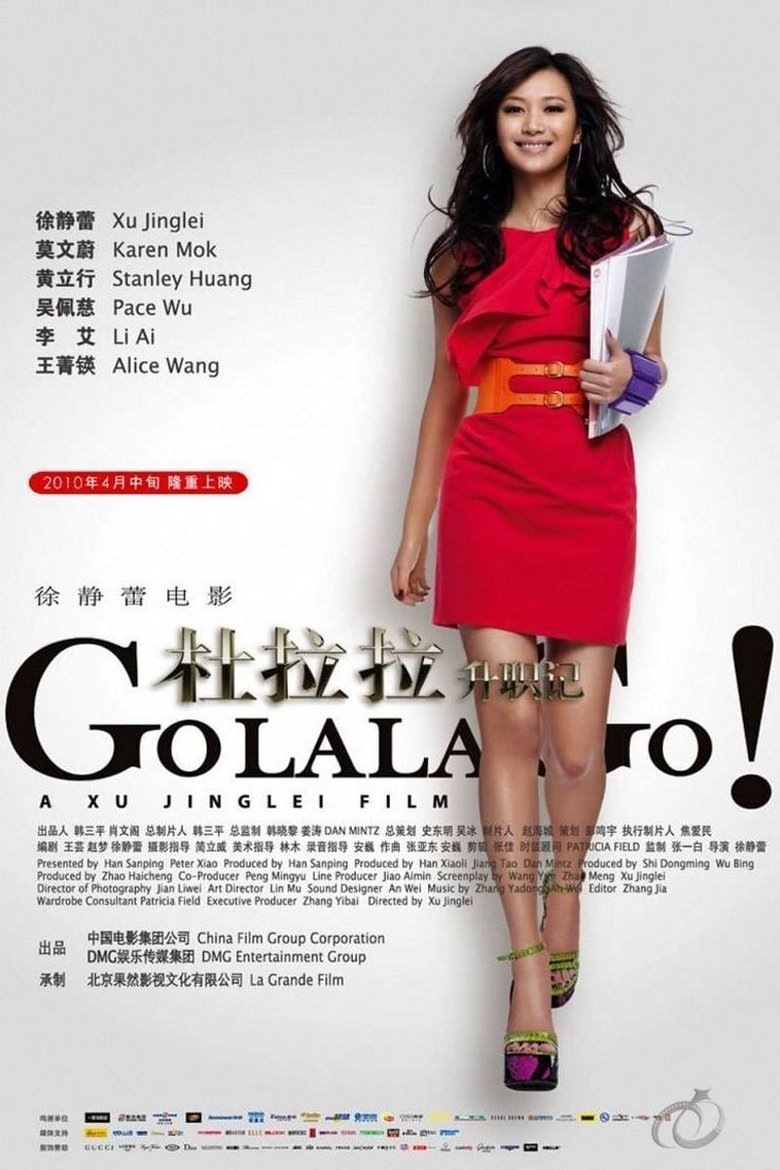
2010
Director
Xu Jinglei
Runtime
100 minutes
Average Rating
No ratings yetSynopsis
About a working class woman climbing her way up the corporate ladder and scoring a hot, rich boyfriend along the way, this romantic comedy is based on the same-name popular novel.
Overall Score
Fair
Category Breakdown
LGBTQ+ Representation
The film follows a conventional heteronormative structure. The plot focuses on traditional romantic pursuits without any presence of queer narratives or non-cisnormative identities.
Gender Representation
The narrative centers on a woman's professional ascent in a male-dominated corporate world. It emphasizes her intellect and agency, disrupting tropes of the passive female lead.
Racial & Ethnic Diversity
The cast is predominantly Han Chinese, reflecting a localized study of Beijing's middle class. It lacks intersectional casting or diverse ethnic representation to expand its scope.
Religious & Cultural Diversity
The story explores the tension between modern individualism and traditional social expectations. It highlights metropolitan pressures and the shift toward consumerism within corporate structures.
Disability Representation
There is no significant presence of characters with visible or invisible disabilities. The narrative does not provide specific depictions to address this category.
Strengths
Areas for Improvement
AI Analysis
Go Lala Go! succeeds as a character study of female agency. By centering a woman's professional journey and her ability to navigate systemic challenges, the film provides a refreshing departure from traditional domestic hierarchies. However, the film remains narrow in its social scope. It operates within a strictly heteronormative framework and lacks ethnic diversity, focusing almost exclusively on a specific urban Han Chinese demographic. Ultimately, the film is a portrait of the modern, upwardly mobile woman. While it excels in gender representation, it misses opportunities to engage with broader LGBTQ+ or multi-ethnic perspectives.
2002

2017
2016

2013

2006
2016
2012
2007

2014
2003

2015

2006
No reviews yet. Be the first to share your thoughts on this movie!
Use the rating form above to leave a star rating and optional review.