
The Bad Guys: Little Lies and Alibis
2025
No user ratings available yet
Representation score: 3.7 out of 10
Representation Score
Minimal
2027
Director
Enrico Casarosa
Average Rating
No ratings yetNew Showbiz Analysis
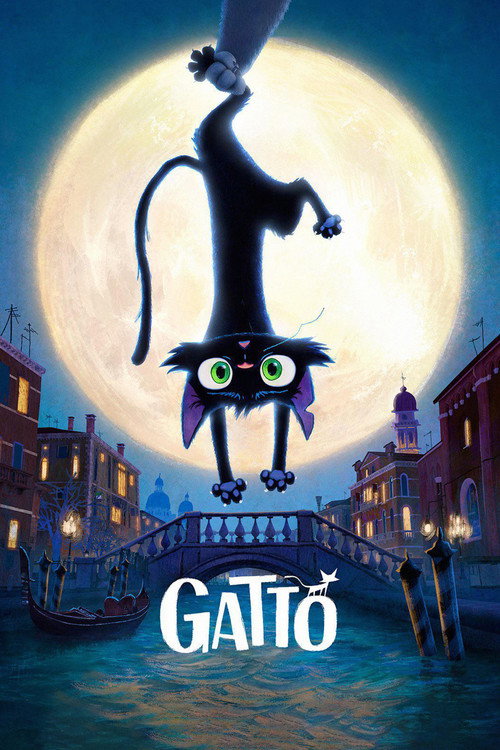
Gatto opens with the image of a scrappy black cat navigating the canal-ridden streets of Venice, a setting that immediately sells a specific cultural and aesthetic package: the romanticized, superstitious, and hierarchical world of the Italian mafia. The film’s argument is straightforward—a question of purpose and loyalty within a rigid social structure—but it relies heavily on traditional gangster tropes, with the mob boss as the central authority figure. The contradiction lies in the film’s attempt to blend a coming-of-age narrative with a crime drama, yet the available evidence suggests the cultural and gender dynamics remain unchallenged. The last image, though not specified, likely reinforces the hierarchy of the mob, with Nero’s friendship serving as a softening element rather than a subversion of the power structure. The film’s moment is defined by its reliance on familiar genre conventions, with the Italian setting providing a picturesque backdrop to a story that ultimately affirms traditional hierarchies.
Category Breakdown
No queer intimacy or identity appears in the synopsis or cast. The narrative tracks heterosexual or asexual feline dynamics within a crime setting, leaving LGBTQ+ representation entirely absent from the on-screen inventory.
The cast consists exclusively of male cats: Nero, Rocco, and Saverio. This reflects a traditional gangster structure where female characters are unnamed and unexplored, leaving gender dynamics confined to a male-dominated power hierarchy.
Set in Venice, the film uses anthropomorphic cats to avoid human racial stereotypes. Diversity is species-based and cultural, with no human racial or ethnic identities represented or discussed within the narrative framework.
The film centers on Italian culture, specifically Venice’s canals and superstitions, framed through a mafia lens. Traditional Western institutions like the mob serve as the primary social structure, with superstition acting as a cultural backdrop rather than a critique.
No characters are described as having physical, mental, or sensory disabilities. The narrative focuses on crime, friendship, and purpose, with no on-screen depiction of impairment or disability as a character trait.
Present on Screen
Limited or Absent
Official Synopsis
After years of maneuvering the canal-ridden, superstitious city of Venice, Italy, a scrappy black cat named Nero begins to question whether he’s lived the right lives. Indebted to Rocco, a ruthless local feline mob boss, Nero finds himself in a quandary and is forced to forge a truly unexpected friendship that may finally lead him to his purpose — unless Venice gets the better of him first.
2025
2011

2016
2010

2017

2022
2016

1988
No reviews yet. Be the first to share your thoughts on this movie!
Use the rating form above to leave a star rating and optional review.