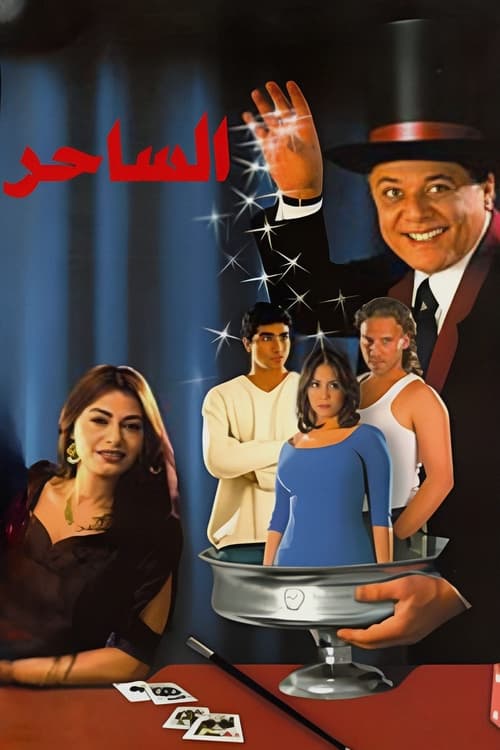
The Magician
2002
No user ratings available yet
Diversity score: 5.7 out of 10

2001
Director
Saeed Hamed
Runtime
126 minutes
Average Rating
No ratings yetSynopsis
Nader saif eldeen and Afet elsherbiny are two competing Egyptians newspaper reporters who expose the truth but the Channel Manager rejects that for fear of government.
Overall Score
Good
Category Breakdown
LGBTQ+ Representation
The film focuses on professional rivalry and political tension. There is no explicit evidence of LGBTQ+ characters or non-heteronormative narratives within the story.
Gender Representation
Afet Elsherbiny is presented as a professional equal to her male counterpart. This role subverts traditional feminine tropes by placing her in a high-stakes, intellectual position.
Racial & Ethnic Diversity
The story is grounded in a specific Egyptian context. It centers a regional perspective within the political journalism genre, reflecting local ethnic and social realities.
Religious & Cultural Diversity
The narrative critiques traditional institutions by prioritizing truth over state stability. It adopts a stance of skepticism toward centralized power and government dictates.
Disability Representation
There is no mention of characters with visible or invisible disabilities in the narrative.
Strengths
Areas for Improvement
AI Analysis
The film serves as a critique of systemic control, focusing on the friction between investigative journalism and state censorship. It finds its strength in challenging institutional hierarchies and elevating individual agency. While the film offers progressive elements regarding gender and institutional skepticism, it lacks diversity in terms of LGBTQ+ representation and disability. The narrative is deeply rooted in a specific Egyptian socio-political landscape. Ultimately, the work succeeds in presenting women as intellectual equals and questioning the morality of state-sanctioned truth, even if it remains within traditional social frameworks in other areas.
2002
2003

2011

2010

2006

2000

2021

2022

2016

2019

2007

2003
No reviews yet. Be the first to share your thoughts on this movie!
Use the rating form above to leave a star rating and optional review.