The Good Boss
2021
No user ratings available yet
Diversity score: 5.3 out of 10
2007
Director
Hans Weingartner
Runtime
129 minutes
Average Rating
No ratings yetSynopsis
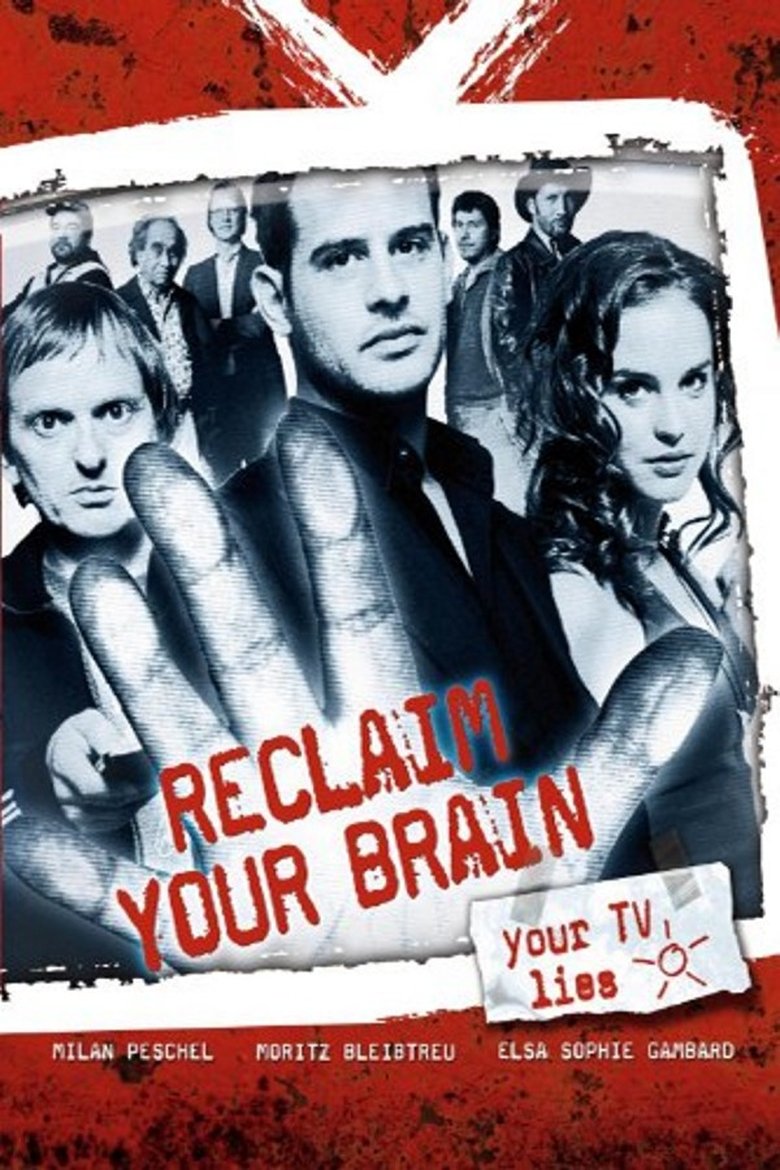
Frustrated, because he is forced to produce bad TV-shows, a manager of a TV-station, enters the station and manipulates the ratings, to initiate a TV-revolution.
Overall Score
Fair
Category Breakdown
LGBTQ+ Representation
The film prioritizes systemic media critique over identity-based narratives. While it avoids heteronormative tropes, it lacks explicit LGBTQ+ character development or non-cisnormative representation.
Gender Representation
The story centers on a male protagonist fighting corporate rigidity. Female characters exist within professional hierarchies, providing a nuanced but somewhat traditional backdrop to the revolution.
Racial & Ethnic Diversity
The setting reflects a relatively homogeneous European demographic. While it avoids harmful stereotypes, the cast aligns with the film's critique of narrow mainstream television perspectives.
Religious & Cultural Diversity
The film excels in its sophisticated critique of Western institutions. It portrays corporate media as corrupt and manipulative, challenging the validity of mainstream information and systemic control.
Disability Representation
There is minimal focus on neurodivergence or physical disability. The central conflict remains intellectual and systemic rather than centered on lived experiences of disability.
Strengths
Areas for Improvement
AI Analysis
Hans Weingartner’s film is a sharp deconstruction of media hegemony. It finds its greatest strength in its cultural narrative, offering a powerful anti-capitalist critique of how television manipulates public perception. However, the film lacks depth in demographic-specific representation. The cast and character arcs remain largely homogeneous, missing opportunities to include diverse identities such as LGBTQ+ individuals or people with disabilities. Ultimately, the work functions as a systemic provocation. It trades personal identity exploration for a broader intellectual battle against institutional corruption and consumerist structures.
2021
2006
2010

2017

2019
2015

2023
2014

2021

2010
2014

2024
No reviews yet. Be the first to share your thoughts on this movie!
Use the rating form above to leave a star rating and optional review.