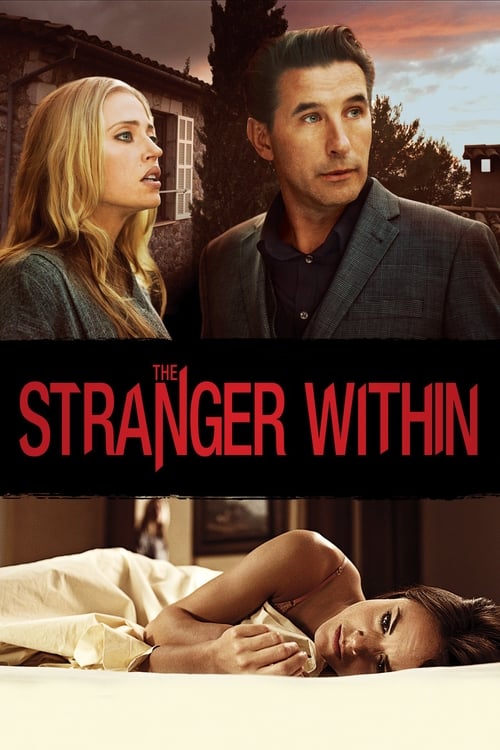
The Stranger Within
2013
No user ratings available yet
Representation score: 3.6 out of 10

Representation Score
Fair
2008
Director
Alexis Alexiou
Runtime
97 minutes
Average Rating
No ratings yetNew Showbiz Analysis
Tale 52 is a character-driven psychological thriller that prioritizes genre conventions over systemic representation. The narrative centers on the volatile relationship between Iasonas and Penelope, using their psychological instability to fuel the mystery. The film operates within traditional frameworks, focusing on individual dysfunction rather than social critique. While it avoids Hollywood-centric demographics by being a Greek production, it does not actively seek to disrupt social hierarchies through its casting or themes. Ultimately, the film's themes of unreliable narration and moral relativism serve the suspense of the thriller genre. It lacks intentionality regarding the way different parts of someone's identity overlap or the nuanced portrayal of neurodivergence.
Category Breakdown
The story focuses on a heterosexual romance between Iasonas and Penelope. It lacks representation of non-straight identities or critiques of the assumption that everyone is straight or cisgender.
Penelope is portrayed as an unsuspecting figure, which risks reinforcing traditional vulnerability clichés. However, Iasonas's instability challenges the conventional male archetype of control.
The film features a primarily Mediterranean cast as a Greek production. There is no indication of intentional racial blending or diverse casting.
The narrative explores subjective morality and fragmented truth. It moves away from idealized family depictions toward psychological dysfunction.
Iasonas's mental instability and memory distortion drive the thriller's tension. These traits appear to function as plot devices rather than nuanced representations of mental health issues.
Present on Screen
Limited or Absent
Official Synopsis
Love leads to madness when an unstable man falls for an unsuspecting woman in this thriller from Greece. Iasonas (Giorgos Kakanakis) is throwing a party one evening when a friend introduces him to Penelope (Serafita Grigoriadou); the two quickly hit it off and soon she's sharing his home. However, before long it becomes obvious that something isn't quite right -- each of them tends to see things in different ways, Iasonas has a hard time making his memories skew with what has actually happened, and tension between them reaches the boiling point. But when the relationship finally explodes into violence, what actually happens between Iasonas and Penelope?
2013
2005

1999

2008

1989

1981

1996

2005
No reviews yet. Be the first to share your thoughts on this movie!
Use the rating form above to leave a star rating and optional review.