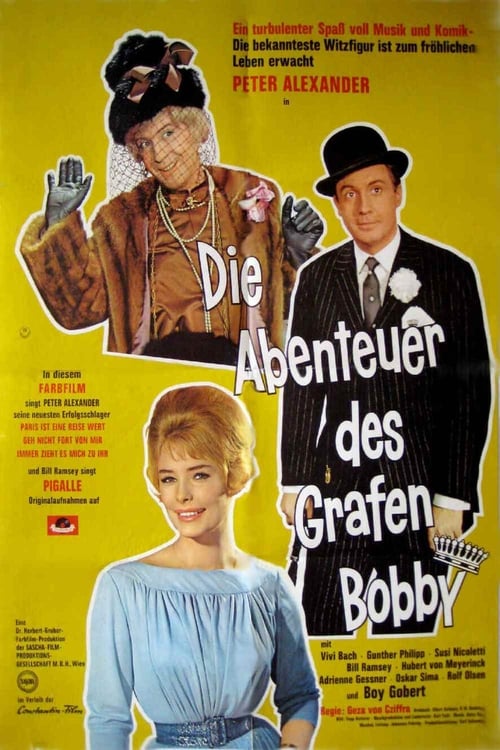
Die Abenteuer des Grafen Bobby
1961
No user ratings available yet
Representation score: 2.3 out of 10

Representation Score
Fair
1969
Director
Jaime de Armiñán
Runtime
90 minutes
Average Rating
No ratings yetNew Showbiz Analysis
Jaime de Armiñán’s work stands as a significant milestone in cinematic subversion. By using metaphor to navigate the constraints of the Francoist era, the film effectively challenges the prevailing orthodoxies of its time. The film excels in its nuanced exploration of identity and sexuality. It moves beyond rigid scripts to offer a progressive portrayal of gender and queer themes that anticipate modern perspectives. However, the film remains a product of its specific historical and geographic context. This results in a lack of racial diversity and a focus on a very localized social landscape.
Category Breakdown
The film provides a nuanced look at non-traditional sexual identities, challenging conventional views by exploring the complexities of identity beyond simple binaries.
The story focuses on the female experience and the tension around individual empowerment. It challenges traditional feminine roles by emphasizing the protagonist's internal growth.
The film reflects the demographic characteristics of a specific historical period in Spain. The cast and setting highlight the homogeneity of the time.
The story uses moral relativism to question dominant Catholic morality. It critiques oppressive social and religious structures by prioritizing personal truth over institutional doctrine.
There is no discernible evidence of disability as a central component of the narrative or character development.
Present on Screen
Limited or Absent
Official Synopsis
Due to the triumph of a revolution, Carola, a young and beautiful heiress to the throne, leaves her country to save her life; but her new existence, constantly watched, threatened by her enemies, subjected to the punctilious demands of her position, bores her desperately.
1961

1965
1934
1948

1968
1970
1967
1955
No reviews yet. Be the first to share your thoughts on this movie!
Use the rating form above to leave a star rating and optional review.