
Lost on Location: Behind the Scenes of 'Lost in Translation'
2004
No user ratings available yet
Representation score: 6.0 out of 10
Representation Score
Good
2001
Director
Wong Kar-Wai
Runtime
51 minutes
Average Rating
No ratings yetNew Showbiz Analysis
Wong Kar-wai’s work stands out for its atmospheric storytelling and deep cultural specificity. The film provides a rich, authentic look at the Hong Kong immigrant experience during a period of transition, avoiding Western-centric perspectives. However, the narrative is limited by its narrow focus on heterosexual relationships and its lack of representation for LGBTQ+ identities or individuals with disabilities. The emotional landscape is strictly defined by the social mores of the era. Ultimately, the film's strength lies in its nuanced exploration of gendered social pressures and its refusal to adhere to simplistic moral binaries, offering a complex view of the human condition.
Category Breakdown
The film focuses solely on heterosexual relationships and does not include any LGBTQ+ identities or narratives. It centers on the social constraints of the 1960s without addressing non-cisgender identities.
Su Li-zhen is portrayed with significant emotional depth and ability to act. The film challenges typical romantic clichés by highlighting the psychological impact of social propriety and emotional isolation.
Set in 1962 Hong Kong, the film offers an authentic portrayal of the Chinese immigrant community. It avoids Western-centric casting to explore themes of cultural hybridity and identity.
The narrative prioritizes situational ethics over rigid moral codes. It explores the complexities of infidelity and internal truth within a shifting, postmodern social landscape.
There is no significant depiction of physical or neurodivergent disabilities. Characters are defined by their social and emotional circumstances rather than sensory or physical impairments.
Present on Screen
Limited or Absent
Official Synopsis
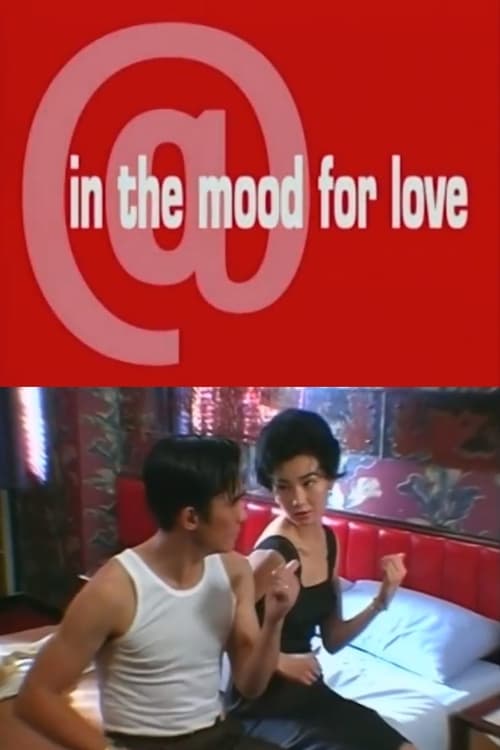
A documentary following Wong Kar-wai and his cast and crew through the production of his 2000 film In the Mood for Love.
2004
2008
2021
2003
2001

2018
2013
2009
No reviews yet. Be the first to share your thoughts on this movie!
Use the rating form above to leave a star rating and optional review.