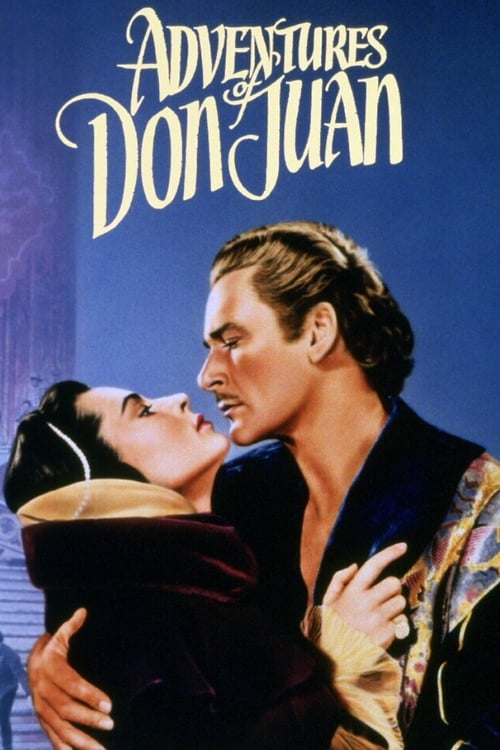
Adventures of Don Juan
1948
No user ratings available yet
Diversity score: 1.5 out of 10
1952
NRDirector
John Farrow
Runtime
93 minutes
Average Rating
No ratings yetSynopsis
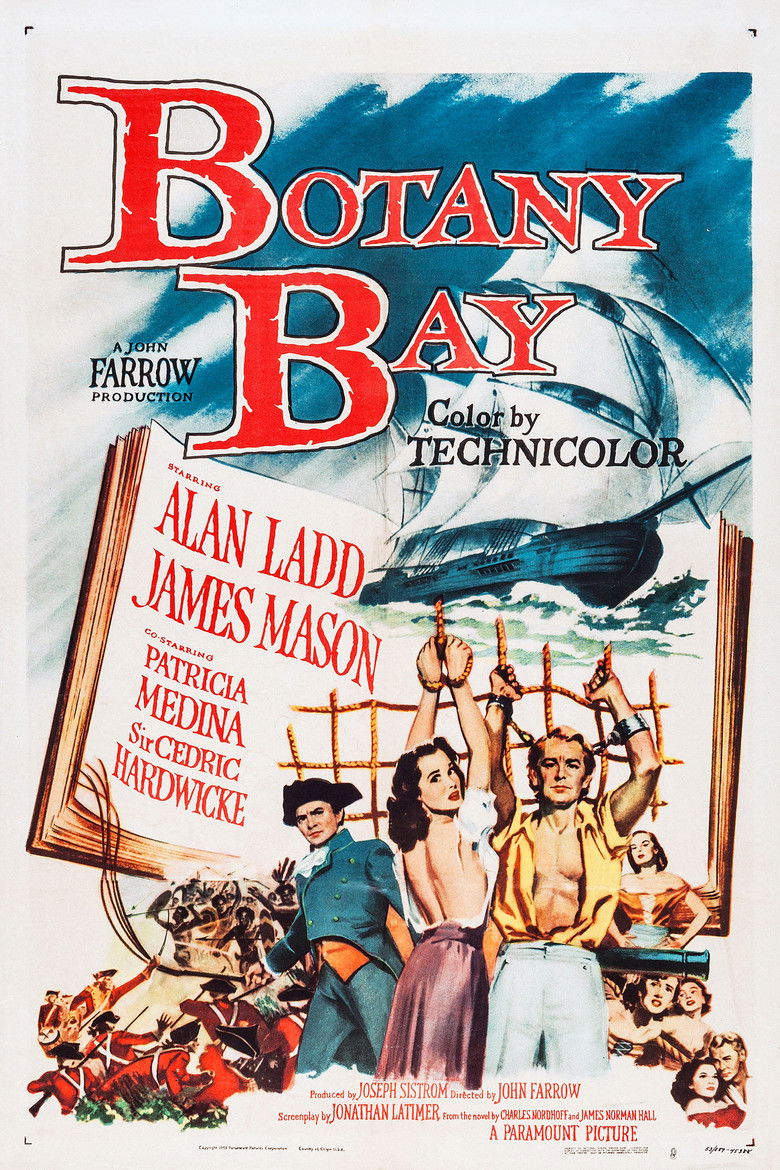
Based on the story of the start of Australia's colonisation. An American medical student is falsely convicted of robbery, with his sentence involving the torturous voyage with other prisoners to the new penal colony at Botany Bay. Because of his attempt to escape, evil Captain Gilbert decides to return him to England on charges of mutiny.
Overall Score
Minimal
Category Breakdown
LGBTQ+ Representation
The film operates within a strictly heteronormative framework. There is no evidence of non-cisnormative identities or same-sex intimacy, as the social landscape relies on traditional masculine archetypes.
Gender Representation
The narrative is centered on a hyper-masculine penal environment. Women are relegated to secondary, supportive roles, serving as peripheral figures rather than architects of the story's primary drive.
Racial & Ethnic Diversity
The cast is predominantly Anglo-Saxon, reflecting the production era's constraints. While set during Australia's colonization, the film focuses on the white convict experience without significant intersectional breadth.
Religious & Cultural Diversity
The story explores friction between authority and lawlessness through a traditional lens. It focuses on individual villainy and survival rather than framing Western institutions as inherently systemic or oppressive.
Disability Representation
There is no discernible representation of physical or neurodivergent disabilities. Characters are defined by their social status as convicts rather than by any visible or invisible disability.
Strengths
Areas for Improvement
AI Analysis
Botany Bay is a conventional mid-century adventure drama that adheres to the social hierarchies of 1952. The narrative focuses on individual survival and the mechanics of a colonial penal settlement, but it lacks the intentionality to disrupt traditional tropes. The film maintains a traditionalist view of gender, race, and institutional authority. It functions as a period-specific exploration of convict life that prioritizes classical heroism and high-stakes conflict over social deconstruction. Ultimately, the work lacks meaningful intersectional representation, staying within the established genre conventions of its era.
1948
1946
1954

1942

1956
No reviews yet. Be the first to share your thoughts on this movie!
Use the rating form above to leave a star rating and optional review.