
Sharing the Secret
2000
No user ratings available yet
Representation score: 7.5 out of 10
Representation Score
Good
2000
Not RatedDirector
Norma Bailey
Runtime
94 minutes
Average Rating
No ratings yetNew Showbiz Analysis
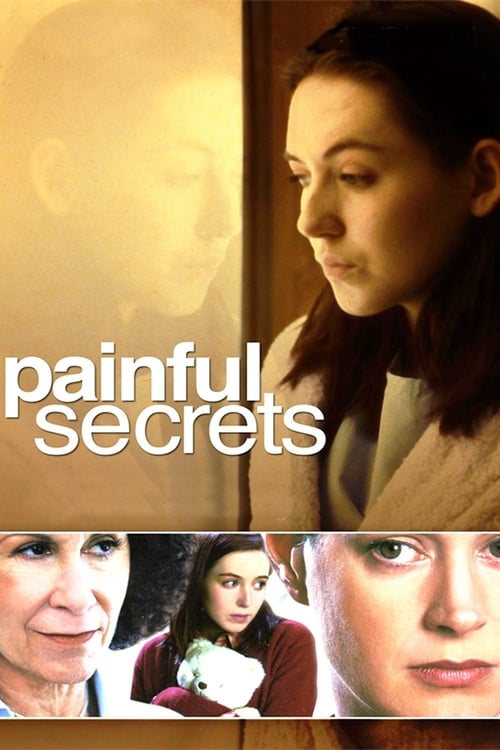
Painful Secrets explores the psychological complexities of adolescent mental health. It successfully challenges idealized notions of family life by revealing hidden traumas within the home. However, the film lacks depth in representing diverse identities. The absence of LGBTQ+ characters and uncertainty about racial diversity limits its broader social impact. Overall, the work is a character-driven drama that prioritizes the internal struggles of a young woman over systemic or diverse representation.
Category Breakdown
There are no visible LGBTQ+ characters or representations of non-straight relationships in the film. The story focuses solely on the protagonist's psychological journey.
The film centers on a young woman's internal experiences during a time of profound psychological distress. It avoids clichéd portrayals of teenage life by focusing on deep emotional turmoil rather than surface-level issues.
The film does not provide specific information about the racial makeup of the cast. Given its time period, there is a risk of homogeneity in the representation of characters.
The story critiques the traditional family structure by showing hidden trauma within the home. It emphasizes the subjective psychological reality over idealized family life.
The film treats mental health struggles as a central, complex issue driving the plot. It portrays self-harm as a response to overwhelming emotions rather than typical teenage behavior.
Present on Screen
Limited or Absent
Official Synopsis
Dawn isn't like other kids her age full of typical teenage angst about boys, school and parents. Her pain goes far deeper, and to deal with her emotional overload she physically cuts herself. The problem of adolescent girls committing self-mutilation is very real, and this movie exposes the growing epidemic. It's a film you can't afford to miss.
2000
2002

2018

2016
2014
2001

2016

2001
No reviews yet. Be the first to share your thoughts on this movie!
Use the rating form above to leave a star rating and optional review.