
Autumn
1990
No user ratings available yet
Representation score: 2.2 out of 10
Representation Score
Minimal
1976
Director
Arvo Kruusement
Runtime
80 minutes
Average Rating
No ratings yetNew Showbiz Analysis
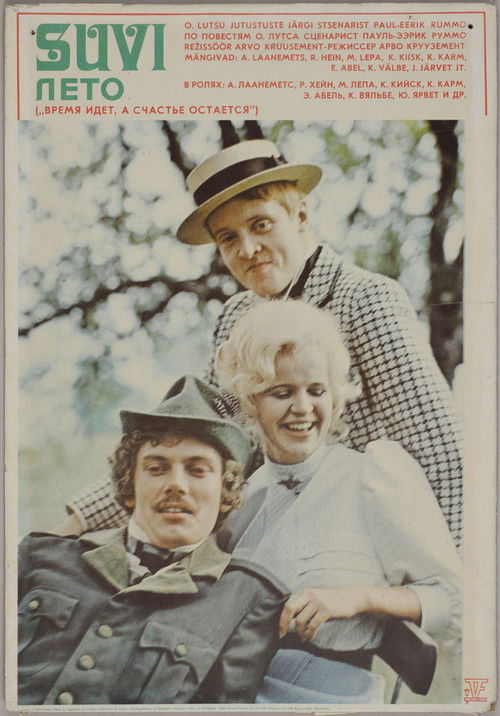
Summer is a naturalist exploration of agrarian life and the journey from childhood to adulthood. It serves as a cultural snapshot, emphasizing the rhythms of rural life in early 20th-century Estonia. The film upholds traditional social and cultural norms without questioning them. While it offers a detailed look at a specific historical context, it does not challenge established norms around gender, identity, or authority structures.
Category Breakdown
The film does not include any LGBTQ+ characters or relationships that go beyond traditional heterosexual norms. The romantic storylines follow typical courtship patterns.
The film reflects the gender roles and social hierarchy of its rural setting. It portrays traditional masculinity and femininity within an agricultural society.
The cast is made up of actors who represent the ethnic makeup of the early 20th-century Estonian countryside. This keeps the historical and regional authenticity without excluding other groups.
The story is grounded in the traditional values of European village life. It emphasizes community standards and the authority of parents.
The film does not feature any significant characters with physical or cognitive disabilities. These traits do not play a central role in the plot or character development.
Present on Screen
Limited or Absent
Official Synopsis
In the beginning of the 20th century, Joosep Toots has returned from Russia, where he learned agriculture. He wants to start reforming his father's farm, Ülesoo. At the same time, he's competing with Kiir to win the love of Teele. Teele has stated that she agrees to marry with a farmer only. So Kiir decides to go to Russia to learn agriculture too.
1990
2005
1992

1992

1954
2016

1972

1967
No reviews yet. Be the first to share your thoughts on this movie!
Use the rating form above to leave a star rating and optional review.