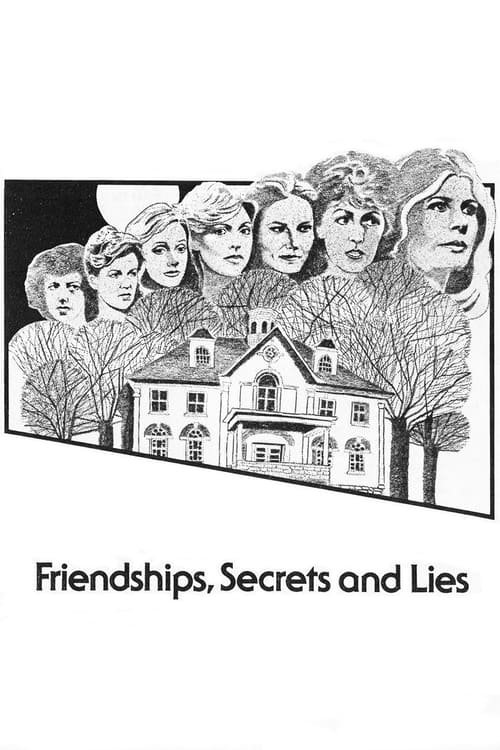
Friendships, Secrets and Lies
1979
No user ratings available yet
Representation score: 1.6 out of 10

Representation Score
Limited
1991
TV-14Director
Charles Correll
Runtime
89 minutes
Average Rating
No ratings yetNew Showbiz Analysis
Violation of Trust operates as a traditional 1990s crime drama centered on domestic tension. While it avoids some passive female clichés by centering maternal ability to act, it lacks broader social or systemic critique. The film's primary strength lies in its character-driven exploration of ethics. However, it fails to provide depth in diverse representation, offering a narrow focus on a homogeneous social environment. Ultimately, the production functions as a standard domestic drama rather than a vehicle for cultural deconstruction or diverse representation.
Category Breakdown
The film does not include visible LGBTQ+ identities or romantic arcs. The tension arises from shared experiences between friends rather than critiquing the assumption that everyone is straight.
Women play key roles through intense psychological decision-making. The central conflict moves beyond passive domestic clichés by focusing on a mother's moral dilemma.
There is no indication of a non-white majority cast or intentional racial blending. The story centers on a localized interpersonal conflict within a homogeneous setting.
The narrative explores situational ethics and moral relativism. It examines the tension between family loyalty and external legal pressures.
The film does not feature characters with physical, neurodivergent, or mental health disabilities.
Present on Screen
Limited or Absent
Official Synopsis
Three teenage friends get into a fight, and one of them accidentally gets killed. The two remaining girls promise each other to keep silent. As the police get more and more suspicious, the mother of one of the girls gets into a crushing dilemma: protect her daughter or see justice done.
1979
1995

2020

2002

2006
2007

2000
1991
No reviews yet. Be the first to share your thoughts on this movie!
Use the rating form above to leave a star rating and optional review.