
A Murderous Affair: The Carolyn Warmus Story
1992
No user ratings available yet
Representation score: 1.4 out of 10
Representation Score
Limited
2002
Director
Marcus Cole
Runtime
180 minutes
Average Rating
No ratings yetNew Showbiz Analysis
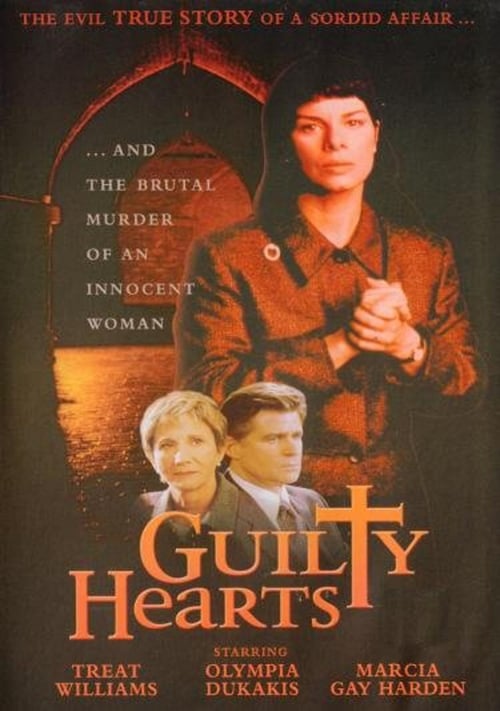
Guilty Hearts operates as a traditional domestic melodrama, prioritizing individual moral failings over systemic exploration. The narrative is anchored in established Western institutions, specifically the church and the sanctity of marriage, which serve as the backdrop for interpersonal conflict rather than subjects of critique. The film adheres to conventional social hierarchies. The central tension revolves around class distinctions and the fallout of infidelity, offering little in the way of progressive storytelling.
Category Breakdown
The story focuses entirely on heterosexual relationships and marital infidelity. There are no visible LGBTQ+ identities or narratives that question traditional heterosexual norms.
Jenny Moran leaves her marriage, exercising a significant role in driving the story. Her actions revolve around emotional instability. Male characters follow traditional roles as a working-class husband and an authoritative professional.
The narrative emphasizes class dynamics and religious community involvement. It follows conventional Western dramatic structures without providing specific evidence of diverse ethnic representation.
The film reinforces traditional Western institutions like the church and marriage. Conflict arises from violating these structures rather than offering a critique of religious authority.
While the protagonist is described as depressed, it is unclear how mental health is depicted. It remains uncertain if mental health issues are treated with ability to act or as a plot device.
Present on Screen
Limited or Absent
Official Synopsis
Quiet and unassuming church organist Jenny Moran is depressed with her marriage to working-class Matt and leaves him. Jenny begins an affair with the manipulative and charming Dr. Stephen Carrow, who is also deacon of her church and a married man. Someone kills Carrow's wife after she learns of the affair between Jenny and her husband. The murderer is caught and confesses, but that confession leads to new lies which tear apart Jenny Moran's life.
1992
1991
2007

2010
2011
1995
2000
1998
No reviews yet. Be the first to share your thoughts on this movie!
Use the rating form above to leave a star rating and optional review.