NightScream
1997
No user ratings available yet
Representation score: 2.1 out of 10
Representation Score
Limited
1993
PG-13Director
Arthur Allan Seidelman
Runtime
87 minutes
Average Rating
No ratings yetNew Showbiz Analysis
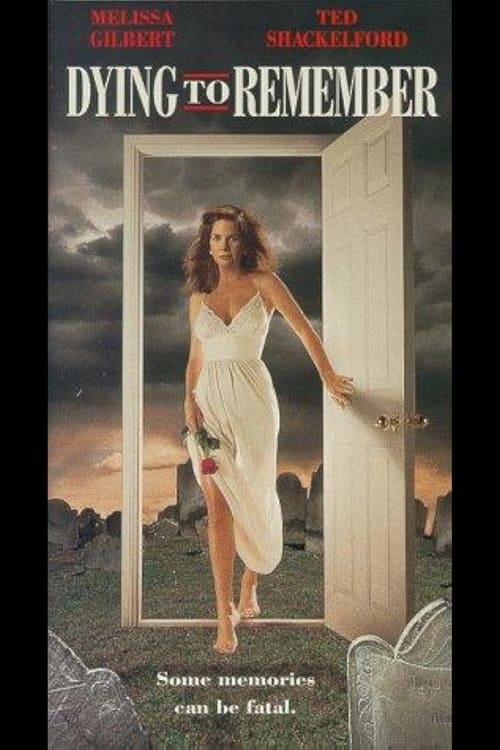
Dying to Remember functions as a standard 1990s mystery-thriller that prioritizes genre mechanics over progressive representation. The narrative centers on a psychological mystery involving reincarnation and crime. The film lacks multi-layered complexity, with no LGBTQ+ characters or diverse racial representation. While featuring a female protagonist, her role is mediated by male authority figures, maintaining traditional social hierarchies. Ultimately, the production adheres to the established social and cultural norms of its period, emphasizing institutional stability through psychiatry and law enforcement.
Category Breakdown
The film does not include any LGBTQ+ characters or representations of non-cisgender identities.
A female protagonist drives the plot through her psychological distress. However, she relies on male authority figures for resolution, reinforcing traditional gender roles.
Despite being set in diverse San Francisco, the cast appears homogeneous, with no non-white or non-Anglo-Saxon characters.
The story follows a conventional moral framework typical of its era, focusing on crime resolution without challenging systemic power structures.
The protagonist's psychological trauma and nightmares touch upon mental health issues. However, it is unclear if these elements are handled with nuance or merely as a plot device.
Present on Screen
Limited or Absent
Official Synopsis
A woman goes to a psychiatrist because she is plagued by recurring nightmares. The psychiatrist tells her that she was involved in a murder in San Francisco in a past life, and the nightmares are related to that crime. She enlists the help of two San Francisco police officers to help solve the old murder.
1997

1991

2009
2015
2002

2006
1990

2000
No reviews yet. Be the first to share your thoughts on this movie!
Use the rating form above to leave a star rating and optional review.