
Two Birds, One Stone
2016
No user ratings available yet
Representation score: 6.4 out of 10
Representation Score
Fair
2007
Director
Sam Azulys
Runtime
28 minutes
Average Rating
No ratings yetNew Showbiz Analysis
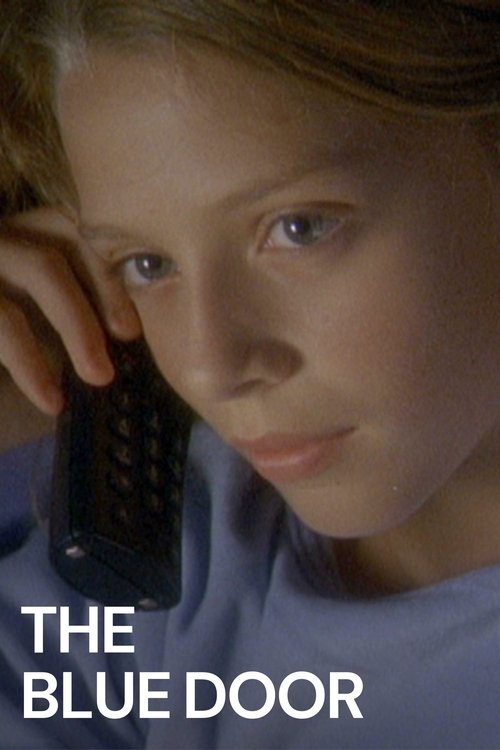
The Blue Door is a character-driven drama that emphasizes themes of diaspora and intergenerational memory. By using oral storytelling as a framing device, the film shifts away from purely Western-centric clichés to explore ancestral roots. While the film engages deeply with ethnic heritage and the immigrant experience, it does not provide clear evidence of radical subversion or actively leading underrepresented protagonists. The representation of gender and sexuality remains neutral and unverified. Overall, the film offers a nuanced look at cultural belonging, though its specific approach to social hierarchies and systemic representation is not fully detailed.
Category Breakdown
The film does not explicitly mention queer identities or non-straight relationships. There is no clear evidence of LGBTQ+ characters in the story.
Women play a central role as the emotional core of the story, both as a mother and her descendant, Marie-Ange. It is unclear whether the film challenges traditional gender roles or reinforces conventional gender expectations.
The film focuses on the immigrant experience and the idea of a homeland. This emphasis suggests a deep exploration of diasporic identity and the complexities of ethnic heritage.
The story highlights oral traditions and funeral rituals, focusing on ancestral wisdom rather than Western institutional frameworks. The narrative explores identity through a lens of cultural belonging and heritage.
There is no information about characters with visible or invisible disabilities in this production.
Present on Screen
Limited or Absent
Official Synopsis
Antoine returns to his motherland after a very long time to attend his mother’s funeral. His daughter Marie-Ange calls him and asks for a story. He starts telling her a tale he was told as a child…
2016
1988
2007
2015

1970

2017
1980
2000
No reviews yet. Be the first to share your thoughts on this movie!
Use the rating form above to leave a star rating and optional review.