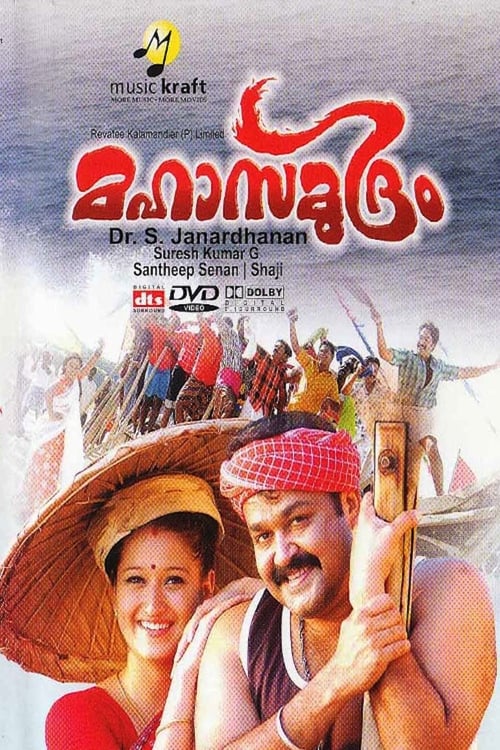
Mahasamudram
2006
No user ratings available yet
Representation score: 1.8 out of 10
Representation Score
Fair
1973
Director
M T Vasudevan Nair
Runtime
128 minutes
Average Rating
No ratings yetNew Showbiz Analysis
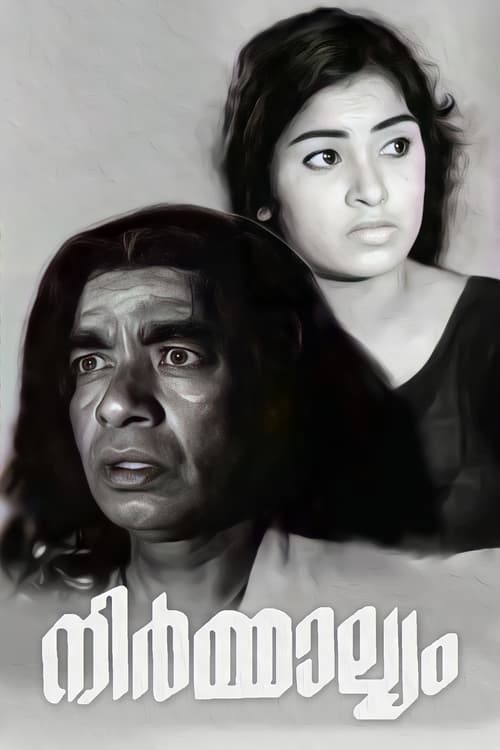
Nirmalyam is a profound deconstruction of traditional social and religious hierarchies. It shifts the focus from the sanctity of ritual to the inherent fragility of the institutions that uphold them. The film uses a localized, period-specific setting to interrogate power dynamics and institutional hypocrisy. While the film lacks modern demographic diversity, such as LGBTQ+ representation, it achieves progressive value through intellectual subversion. It challenges the perceived purity of dominant social groups by highlighting the systemic nature of the caste hierarchy. The work functions as a sophisticated interrogation of how religious institutions can become stagnant and oppressive. By prioritizing human morality over ritualistic dogma, the film frames the breakdown of traditional authority as a necessary evolution.
Category Breakdown
The film adheres to a traditional social framework where LGBTQ+ identities are not represented. The narrative centers on interpersonal dynamics and established social norms.
The film portrays a predominantly patriarchal society with historical constraints. Women are present but their roles are often limited by strict social and religious expectations.
The film features an ethnically homogeneous cast but offers a nuanced critique of internal social stratification. It explores the complexities of the Kerala caste system and its exclusionary practices.
The narrative effectively critiques religious orthodoxy and the decay of traditional institutions. It contrasts performative ritual purity with the actual ethical failings of its practitioners.
There are no prominent characters with visible or invisible disabilities serving as central plot devices. The focus remains on the psychological impact of decaying social structures.
Present on Screen
Limited or Absent
Official Synopsis
An ancient temple is neglected to ruins and is tended only by the Velichappadu. When the priest goes on a leave, a young man takes up his job and forms a relationship with the Velichappadu's daughter.
2006

2005
1991
1987
2014
2009
1972
1982
No reviews yet. Be the first to share your thoughts on this movie!
Use the rating form above to leave a star rating and optional review.