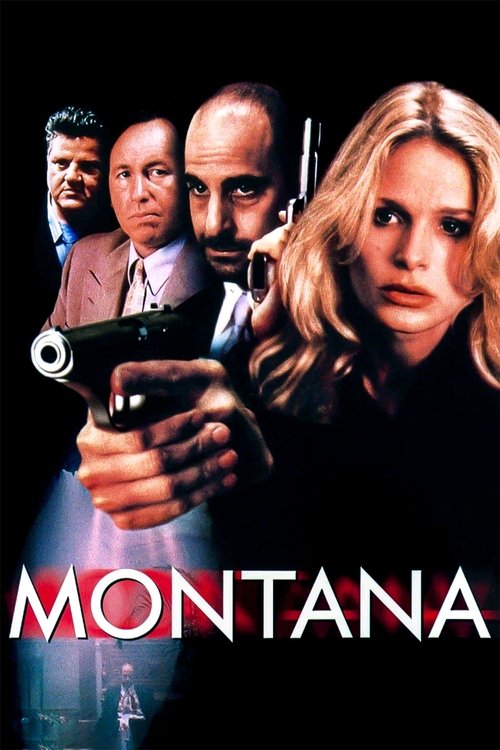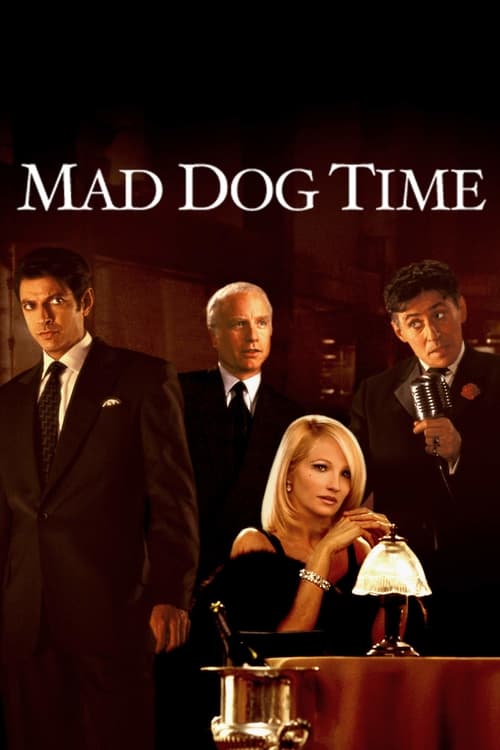
Mad Dog Time
1996
No user ratings available yet
Diversity score: 2.8 out of 10
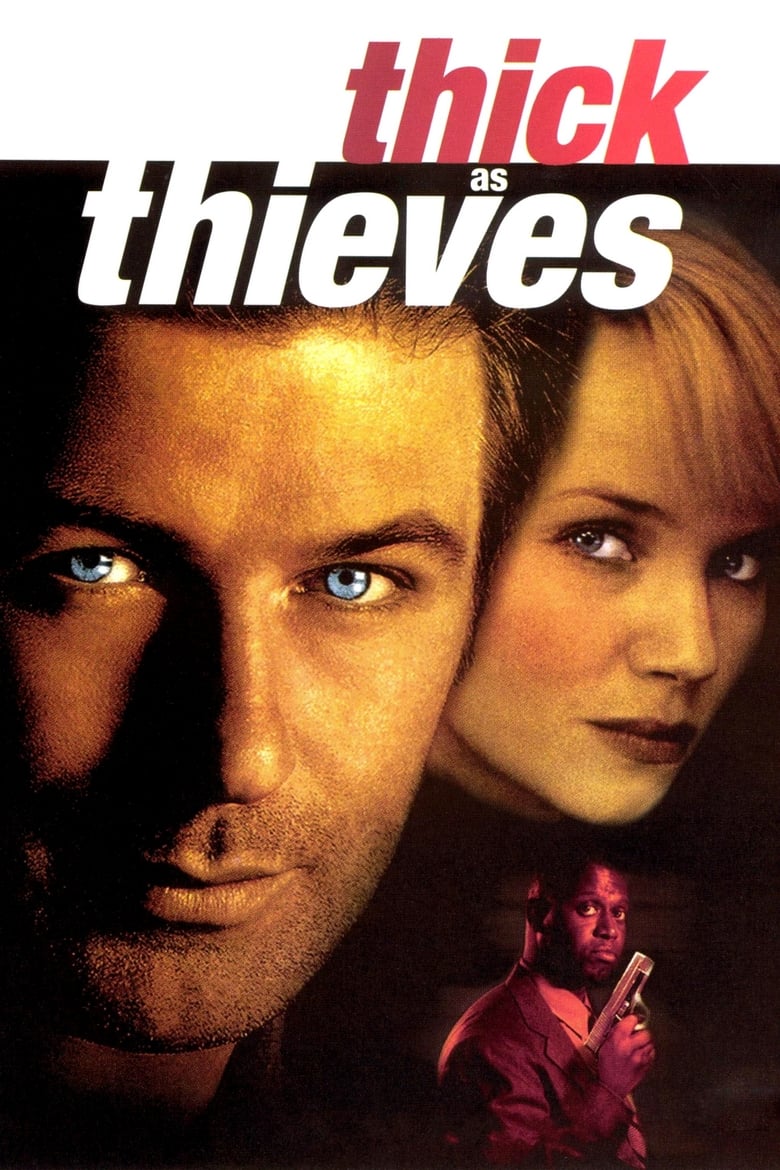
1999
RDirector
Scott Sanders
Runtime
93 minutes
Average Rating
No ratings yetSynopsis
Two master thieves go at odds with one another as one sets the other up for a crime. The first, a suave pro who does his job and then hides in his own privacy, listening to old jazz records and caring for his ailing dog, Wally. The other is a local gangster with a taste for the finer life, who decides to eliminate the competition. This ignites a war between the two men and their aides. An angry mob boss and a female police officer try to sort the mess before things get too out of hand.
Overall Score
Limited
Category Breakdown
LGBTQ+ Representation
The film lacks any visible queer identities or narratives. The story focuses on male rivalry and a single female officer, suggesting a traditional heteronormative structure.
Gender Representation
Gender roles follow standard archetypes. The central conflict is driven by masculine competition, while the female police officer acts as a reactive force to the male-driven chaos.
Racial & Ethnic Diversity
The narrative lacks explicit details regarding racial identities. The character archetypes used suggest a potentially homogeneous distribution common in traditional crime-genre tropes.
Religious & Cultural Diversity
The film focuses on personal codes and professional rivalry rather than systemic critique. It maintains traditional social hierarchies through its depiction of mob bosses and law enforcement.
Disability Representation
There is no representation of human disability. The only mention of an ailment pertains to a character's dog, which does not contribute to human diversity metrics.
Strengths
Areas for Improvement
AI Analysis
Thick as Thieves operates within the conventional framework of late-90s crime dramas. The plot is anchored by a binary conflict between two masculine archetypes: a disciplined professional and an ostentatious gangster. This focus on individualistic rivalry limits the scope for broader social or intersectional exploration. The film relies heavily on established genre tropes, prioritizing male agency and traditional power structures. While it features a female officer, she serves a reactive role within a male-dominated narrative landscape. Ultimately, the film functions as a standard genre piece. It lacks the systemic subversion or diverse character depth necessary to move beyond a traditional, homogeneous cinematic experience.
No reviews yet. Be the first to share your thoughts on this movie!
Use the rating form above to leave a star rating and optional review.