
Stella in Love
2022
No user ratings available yet
Representation score: 6.0 out of 10

Representation Score
Limited
2014
Director
Sylvie Ohayon
Runtime
99 minutes
Average Rating
No ratings yetNew Showbiz Analysis
Papa Was Not a Rolling Stone is a specialized, localized documentary that emphasizes personal history over broad demographic representation. While it does not include LGBTQ+, disability, or diverse ethnic representations, it offers a nuanced critique of traditional social structures. By focusing on the daughter's quest for truth, the film challenges the stability of the patriarchal figure and delves into the dysfunction within the nuclear family unit. Ultimately, it provides a deep, focused look at a specific Québécois experience, prioritizing a narrow scope over broad inclusivity.
Category Breakdown
The film contains no LGBTQ+ characters. The story focuses exclusively on the biological and emotional lineage of the protagonist.
The film centers the daughter's investigative journey, highlighting her role as the main driver of the story. It questions traditional patriarchal roles by showing the instability of the male figure.
The film depicts a homogeneous Québécois family. It sticks closely to the specific demographic realities of the subject matter without incorporating diverse casting.
The film explores the trauma of the Western nuclear family's breakdown. It portrays the father's abandonment as a complex, subjective psychological issue.
There are no depictions of physical, neurodivergent, or mental health disabilities used as central narrative drivers or character traits.
Present on Screen
Limited or Absent
Official Synopsis
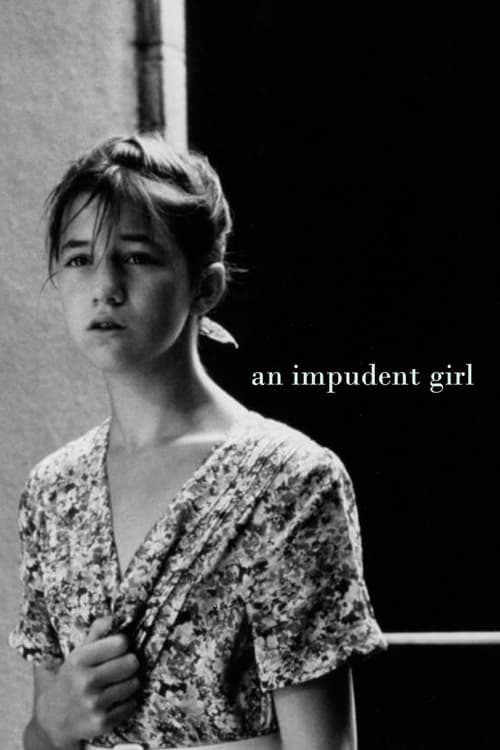
Stéphanie grew up with an absent mother and a brutal stepfather. One day, she knows, she'll leave the city to live the life she's always dreamed of.
2022

2019

1964

2017
1985

2018

2021

2018
No reviews yet. Be the first to share your thoughts on this movie!
Use the rating form above to leave a star rating and optional review.