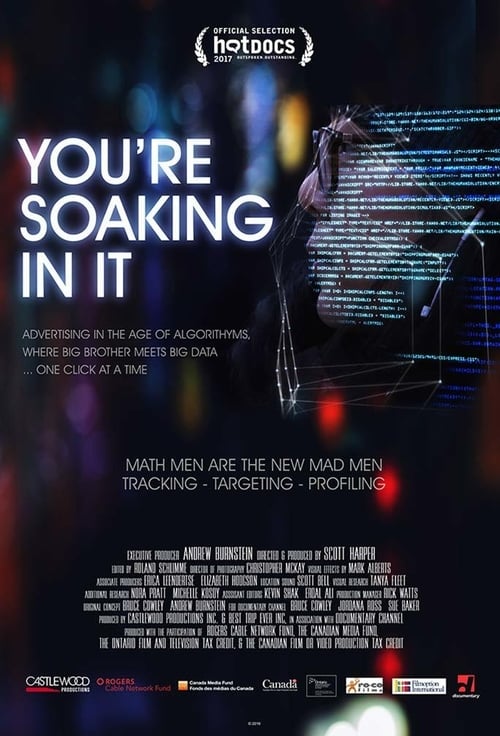
You're Soaking in It
2017
No user ratings available yet
Representation score: 5.4 out of 10
Representation Score
Limited
1996
Not RatedDirector
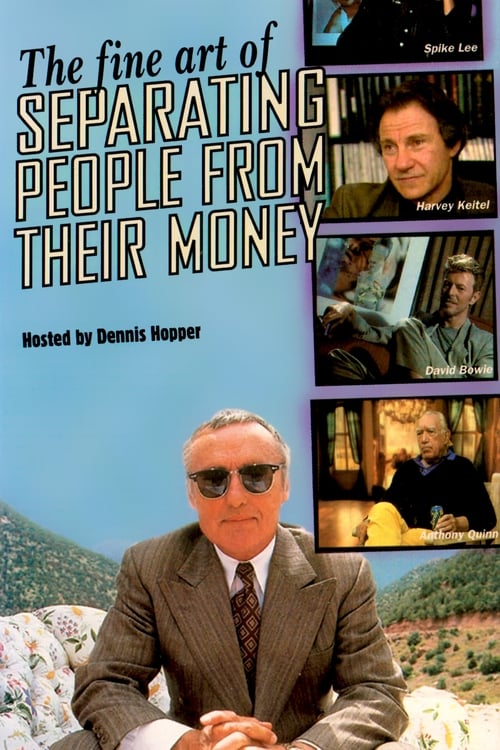
Hermann Vaske
Runtime
170 minutes
Average Rating
No ratings yetNew Showbiz Analysis
This documentary functions as a media critique rather than a vehicle for diverse representation. Its value lies in the analytical deconstruction of power dynamics within mass media and consumerism. Because the film focuses on the use of shock and humor in advertising, it lacks character-driven narratives. Consequently, it does not provide significant representation for specific social identities or demographic groups. The work's progressive nature is found in its intellectual engagement with systemic influence. It challenges the perceived innocence of advertising, framing it as a sophisticated tool of psychological influence.
Category Breakdown
The documentary focuses on the history of advertising techniques rather than identity-based storytelling. There is no evidence of LGBTQ+ characters or narratives exploring non-straight relationships.
The film examines how humor and shock are used in media. While it touches upon the construction of gendered archetypes in commercials, it lacks evidence of subverting these traditional roles.
The study reflects the mainstream media landscape of the mid-90s. There is no documented evidence of a non-white majority cast or a deliberate disruption of Anglo-centric media norms.
The film adopts a skeptical, anti-capitalist lens toward consumerism. It treats the mechanisms of advertising as subjects of scrutiny rather than celebratory institutions.
There is no evidence regarding the inclusion or depiction of individuals with physical or neurodivergent disabilities within this work.
Present on Screen
Limited or Absent
Official Synopsis
An examination of the evolution of commercials as an artistic medium, featuring interviews with media luminaries who relate how the in-your-face stylistic conventions of commercials have influenced feature films and the visual arts. A documentary film talking about art and advertising divided in three parts: 1. Crossing Over - from cinema to ads from ads to cinema 2. Humour - How humour affects us in advertising 3. Shock - The way shock is used to sell
2017

2004

2009

2024
1970
2011
2004
2021
No reviews yet. Be the first to share your thoughts on this movie!
Use the rating form above to leave a star rating and optional review.