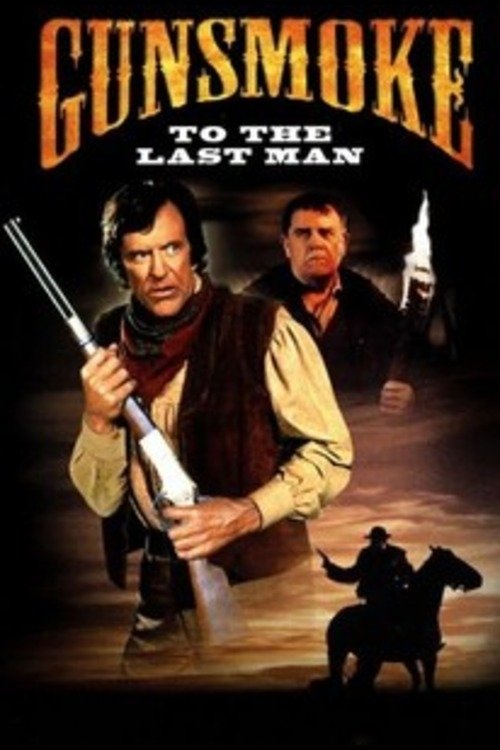
Gunsmoke: To the Last Man
1992
No user ratings available yet
Representation score: 0.6 out of 10
Representation Score
Minimal
1994
NRDirector
Paul Landres, Frank McDonald
Runtime
100 minutes
Average Rating
No ratings yetNew Showbiz Analysis
This hybrid production functions as a traditionalist genre exercise, emphasizing historical myth-making over narrative deconstruction. By blending archival footage with new scenes, it leans heavily into mid-century television clichés that reinforce established social hierarchies. The film lacks depth in reflecting multiple aspects of identity, presenting a narrow view of the American frontier. The storytelling focuses on a singular masculine archetype, leaving little room for diverse perspectives or complex social dynamics. Ultimately, the work upholds conventional power structures without challenging them, resulting in a narrative that feels culturally stagnant by modern standards.
Category Breakdown
The film does not include any LGBTQ+ characters or narratives. The story follows traditional mid-20th-century television archetypes without introducing any queer identities.
The male protagonist, Wyatt Earp, dominates the narrative with significant influence. Female characters play minor, traditional roles that do not challenge the masculine-driven storyline.
The casting reflects a homogeneous, predominantly white cast typical of Western genre films. There is no significant multi-layered casting or inclusion of non-Anglo-Saxon characters.
The story centers on frontier justice and the glorification of vigilante actions. It upholds a classic law-and-order morality that celebrates the mythic strength of the American lawman.
There are no visible or invisible disabilities portrayed with significant influence. The film does not use disability as a central narrative element or character development tool.
Present on Screen
Limited or Absent
Official Synopsis
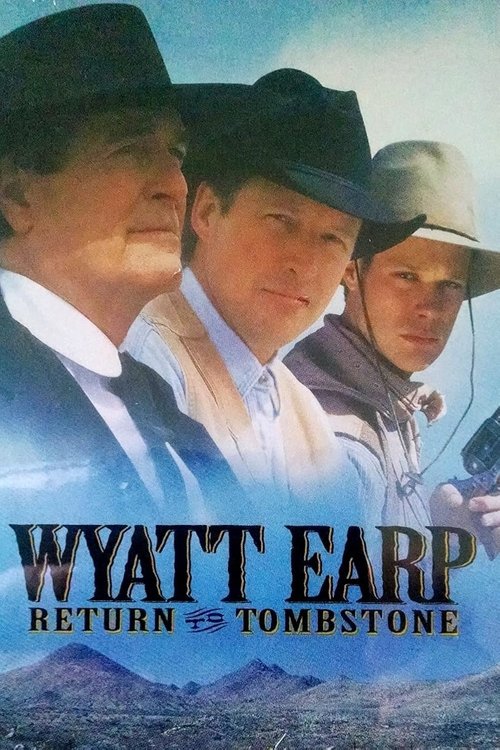
Combining colorized footage from the television series The Life and Legend of Wyatt Earp (1955) with new scenes shot in Tombstone, Arizona, this film shows the return of the legendary former Marshal Wyatt Earp to his old stomping grounds. He visits old friends, teaches bad guys some manners and reveals secrets about his early life.
1992
1970
1975
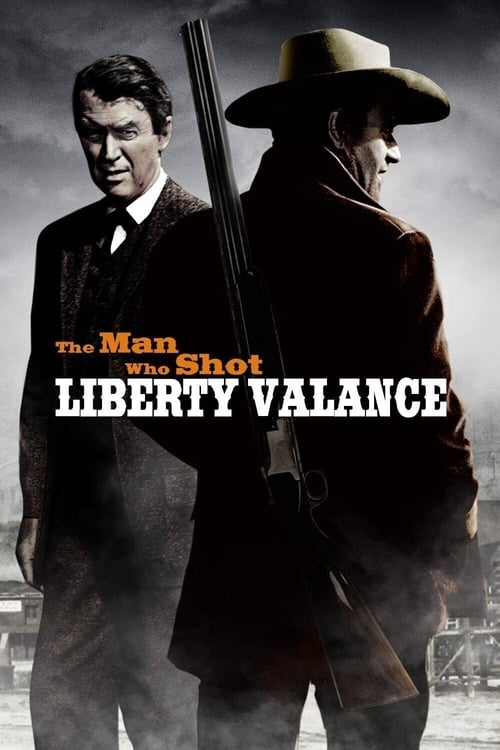
1962

1986
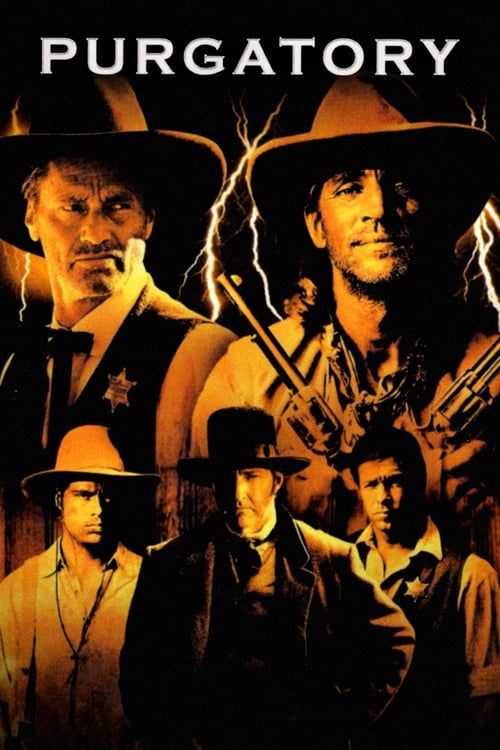
1999
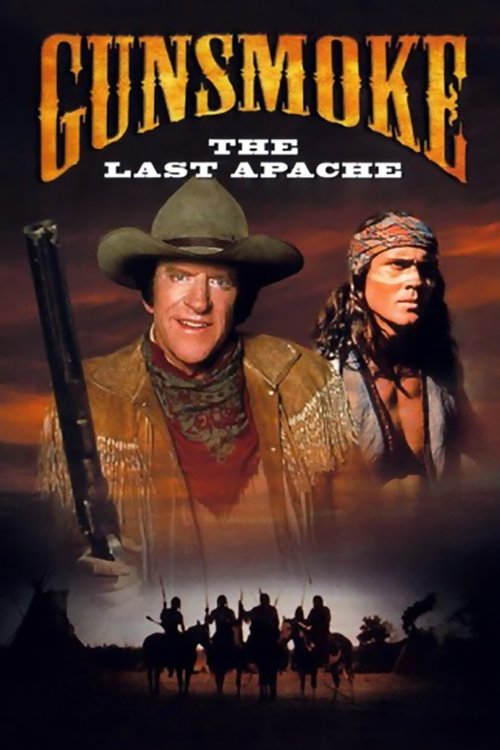
1990
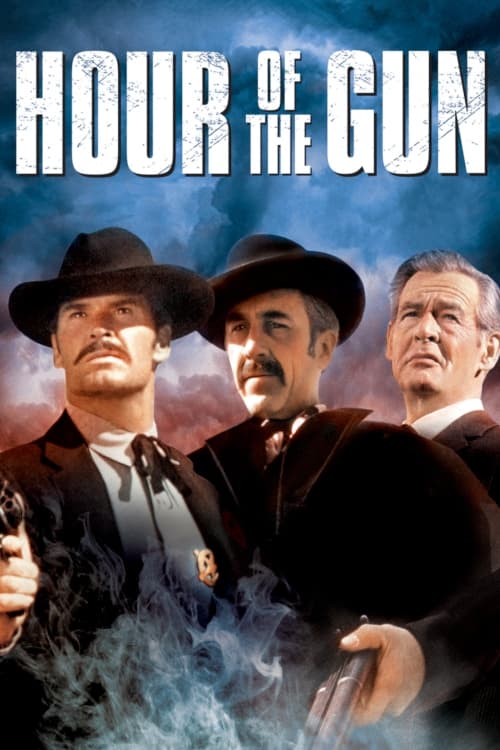
1967
No reviews yet. Be the first to share your thoughts on this movie!
Use the rating form above to leave a star rating and optional review.