
License to Kill
1986
No user ratings available yet
Representation score: 2.5 out of 10
Representation Score
Fair
2001
Director
Thomas Rickman
Runtime
88 minutes
Average Rating
No ratings yetNew Showbiz Analysis
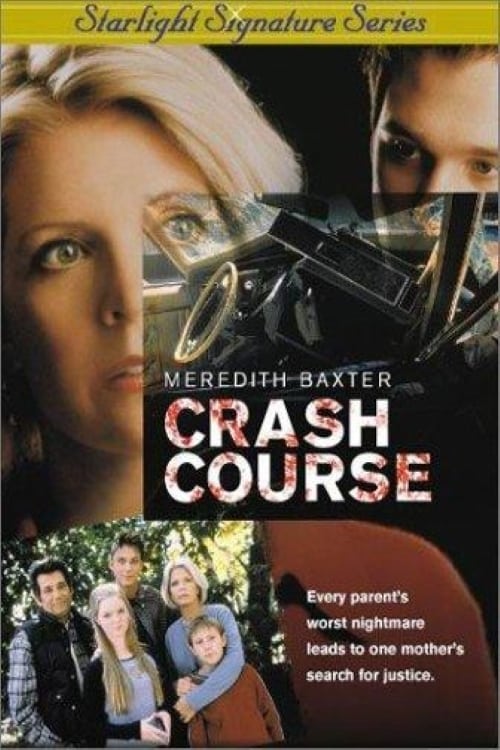
The film functions as a character-driven domestic drama that centers on women's ability to drive the story through its protagonist. While the cast suggests ethnic variety, the narrative itself remains conventional and lacks deep systemic critique. Representation is strongest in gender, as the female lead drives the pursuit of justice. However, the film lacks LGBTQ+ visibility and does not use its multi-ethnic cast to explore complex racial or cultural intersections. Disability is a central thematic element due to the child's injury, though the narrative risks relying on standard dramatic clichés regarding physical trauma.
Category Breakdown
The film does not include any visible LGBTQ+ characters or non-straight relationships. The story revolves around a mother's quest for justice without addressing queer perspectives.
Meredith Baxter leads the film, providing a strong female protagonist with significant influence. This shifts the traditional protector role to a woman facing systemic legal challenges.
The cast includes a multi-ethnic ensemble, evidenced by names like Barbara Mamabolo. However, the plot remains a standard domestic drama without delving into complex multi-layered dynamics.
The story follows a traditional moral framework centered on personal responsibility. It focuses on the consequences of drunk driving rather than critiquing Western institutions.
The plot centers on a child's critical injury, introducing themes of physical trauma. This provides a platform to explore the lived experience of impairment.
Present on Screen
Limited or Absent
Official Synopsis
A mother's quest for justice when her son is critically injured by a drunk driver.
1986

1991

2007
1989

2001

1992
1996
1994
No reviews yet. Be the first to share your thoughts on this movie!
Use the rating form above to leave a star rating and optional review.