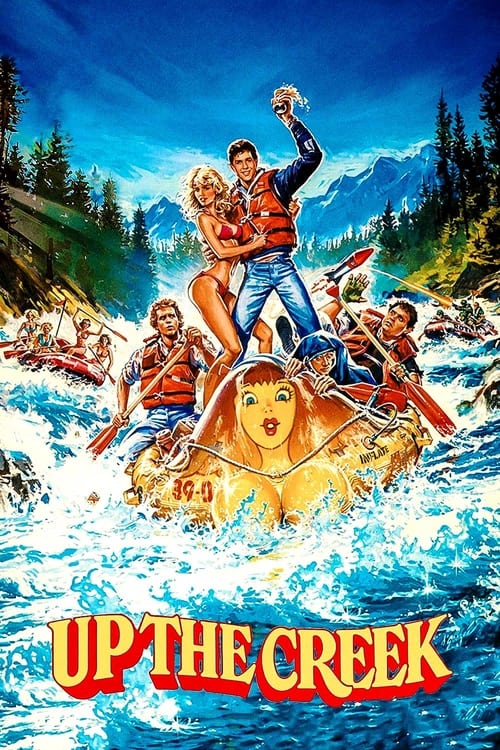
Up the Creek
1984
No user ratings available yet
Diversity score: 1.8 out of 10

1976
Director
Michael Tuchner
Runtime
90 minutes
Average Rating
No ratings yetSynopsis
With the destruction of their previous neighbourhood has inevitably come the destruction of the lads’ favoured watering hole The Fat Ox. Again, it’s Bob rather than Terry who is visibly distressed by this. Upset and much the worse for free alcohol, Bob then storms into the library to seek sympathy from Thelma - who is, predictably, unimpressed. So when Thelma finds out that Terry has been getting semi-serious with glamorous Finnish shop assistant Chris, she takes it upon herself to try and pair them off for good via planning first a dinner party and then that mainstay of 70s comedy, a camping expedition. Of course, things don’t go quite according to plan and before you can say ‘I can see the way this is going’ we are set up for japes, larks and embarrassing incidents aplenty, which culminate in the lads getting rather fed up with their partners’ attempts to inflict the rugged outdoor lifestyle upon them and trying to hitch up and drive off with the girls still asleep in the caravan.
Overall Score
Limited
Category Breakdown
LGBTQ+ Representation
The story focuses entirely on heteronormative social structures. There is no presence of non-cisnormative identities or critiques of traditional romantic norms.
Gender Representation
The film adheres to 1970s gender hierarchies. While women like Thelma and Chris exercise agency by organizing social events, the narrative remains centered on the men's reactions to them.
Racial & Ethnic Diversity
The cast is predominantly white, reflecting its North East England setting. The inclusion of a Finnish character provides a minor instance of ethnic variety within a largely homogeneous group.
Religious & Cultural Diversity
The narrative explores socioeconomic tensions between class-based philosophies. It examines the friction between upward mobility and working-class lifestyles through its central characters.
Disability Representation
There is no visible representation of physical or neurodivergent disabilities within the characters or plot.
Strengths
Areas for Improvement
AI Analysis
The film serves as a period-specific study of British class dynamics rather than a vehicle for identity politics. It prioritizes regional social realism and the friction between socioeconomic paths over intersectional representation. While the characters navigate different levels of respectability and ambition, the demographic makeup remains largely homogeneous. The narrative structure reinforces traditional social hierarchies rather than attempting to subvert them. Ultimately, the work lacks the intentional disruption of norms or the diverse character spectrum required for a higher progressive score.
1984
1982
1979

1999
1960
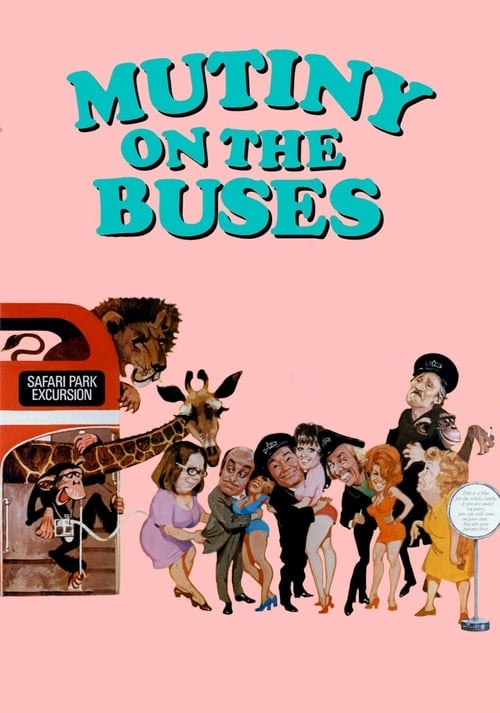
1972
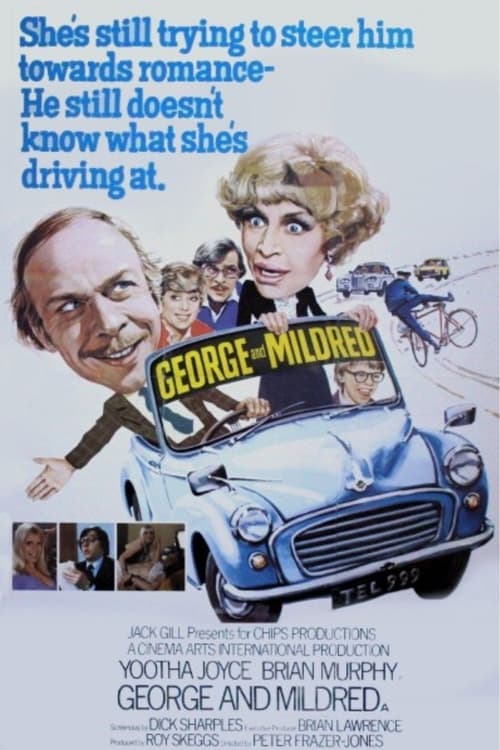
1980
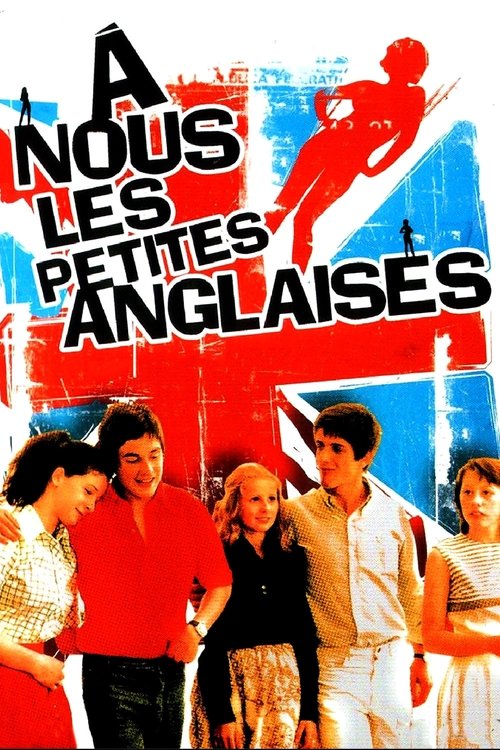
1976
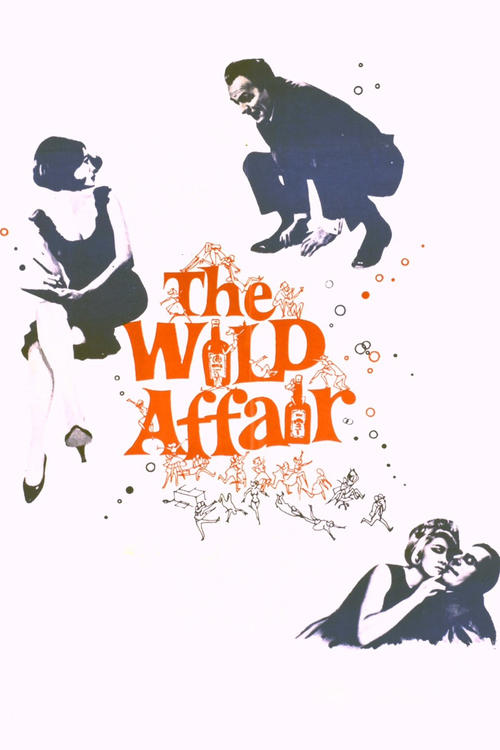
1965
1969
1972

2009
No reviews yet. Be the first to share your thoughts on this movie!
Use the rating form above to leave a star rating and optional review.