Kiss and Tell
1996
No user ratings available yet
Representation score: 0.6 out of 10
Representation Score
Limited
1995
PG-13Director
Jack Sholder
Runtime
95 minutes
Average Rating
No ratings yetNew Showbiz Analysis
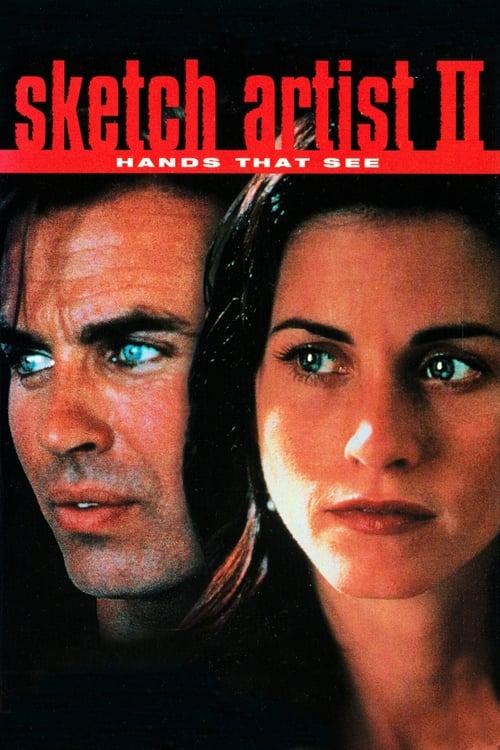
Sketch Artist II: Hands That See functions as a standard genre thriller that prioritizes suspense and procedural resolution. The narrative relies heavily on established crime clichés, specifically the interaction between a perpetrator and a vulnerable survivor. The film's structure leans into conventional institutional narratives, centering on the competency of the police and the legal system. This approach favors traditional storytelling over the disruption of social hierarchies or the exploration of overlapping identities. While the inclusion of a character with a disability provides a unique sensory perspective, the film remains tethered to genre-standard dynamics. It lacks verifiable evidence of progressive or subversive narrative elements.
Category Breakdown
The film focuses on a heterosexual relationship between a male perpetrator and a female victim. There are no characters with non-binary or transgender identities, and the story does not critique the assumption that everyone is straight or cisgender.
The story centers on a female protagonist navigating a crisis. While she plays a central role, the narrative risks reinforcing traditional stereotypes of female vulnerability through the victim-survivor archetype.
There is no information available about the racial or ethnic makeup of the cast or setting. Therefore, no assessment of racial diversity can be made.
The film operates within traditional Western law enforcement frameworks. The procedural premise reinforces the competency of state institutions and the necessity of conventional legal recourse.
Blindness serves as a central plot driver for the character Emmy. While this explores sensory disability, the role risks functioning primarily as a device to heighten thriller tension.
Present on Screen
Limited or Absent
Official Synopsis
Police sketch artist Jack Whitfield helps blind rape victim Emmy describe her attacker – a serial rapist and murderer who is now out to get her.
1996
1992

2003
1971

2005

2011
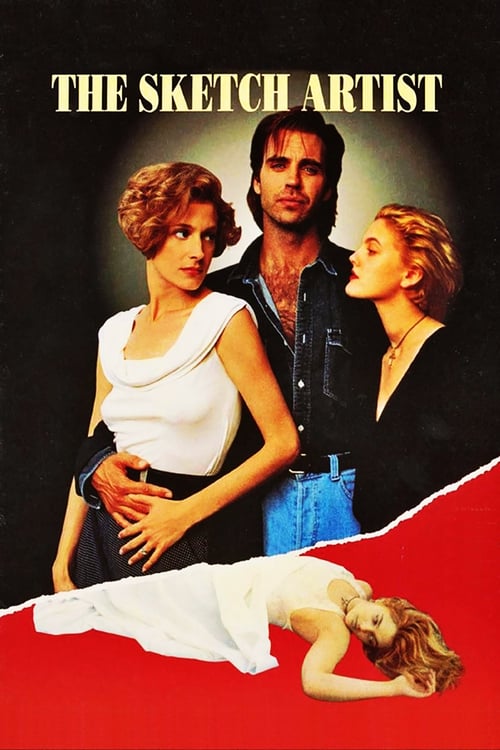
1992

1984
No reviews yet. Be the first to share your thoughts on this movie!
Use the rating form above to leave a star rating and optional review.