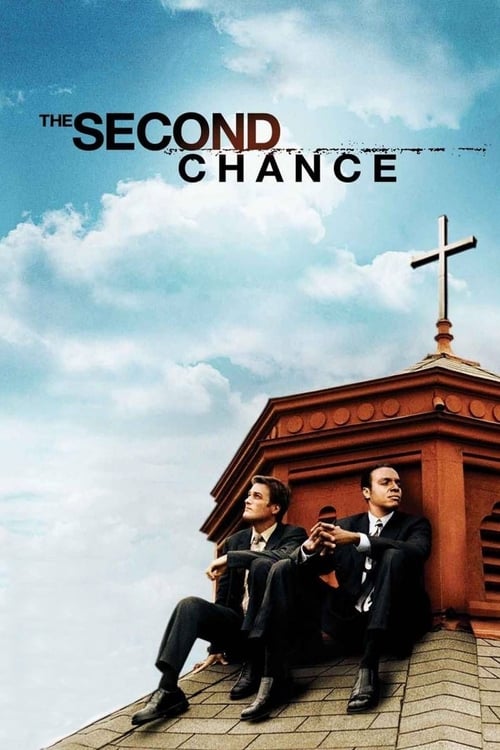
The Second Chance
2006
No user ratings available yet
Representation score: 0.3 out of 10
Representation Score
Minimal
2012
PGDirector
Terry Ingram
Runtime
96 minutes
Average Rating
No ratings yetNew Showbiz Analysis
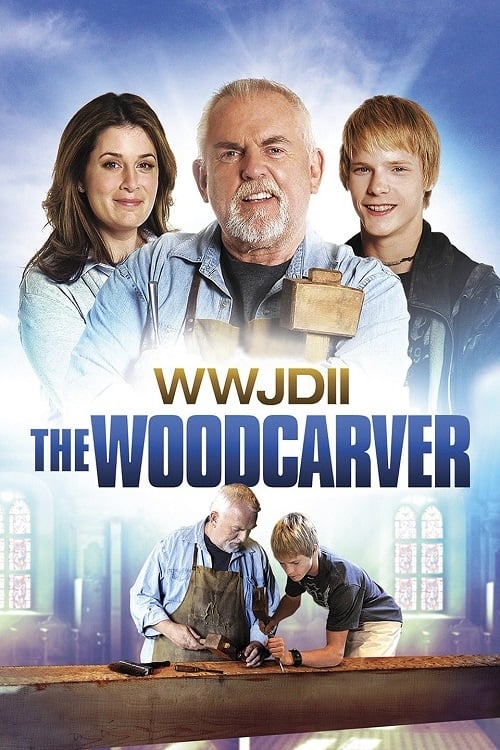
The film operates within a traditional cinematic framework, emphasizing conventional redemption arcs and moral lessons. The narrative structure relies on established Western clichés, focusing on a craftsman and a troubled youth within a religious context. Since the story centers on restorative justice through a traditional mentorship, it lacks depth in representing multiple aspects of identity. The themes reinforce existing social and religious hierarchies rather than challenging them through diverse perspectives. Ultimately, the work functions as a character study that adheres to conventional social norms, offering limited representation for underrepresented identities or non-traditional cultural values.
Category Breakdown
The film does not include any representation of non-straight or non-cisgender identities or same-sex relationships. The mentorship between the youth and the woodcarver follows a traditional, straight-focused dynamic.
The story focuses on a male-dominated interaction between a youth and a craftsman. It does not challenge traditional gender roles or explore different masculine identities.
The narrative follows traditional Western dramatic conventions centered around church life. There is no indication of a diverse cast or the use of actors from different racial backgrounds.
The film emphasizes traditional Western religious institutions and moral teachings. The setting and conflict center on the sanctity of community pillars without questioning them.
There is no evidence of characters using physical or neurodivergent disabilities. The narrative does not feature visible or invisible disabilities as part of the character's role.
Present on Screen
Limited or Absent
Official Synopsis
A troubled youth vandalizes a church and winds up in a close association with the woodcarver whose work he destroyed.
2006
1938
2013

2013
2011
2015
2013
2023
No reviews yet. Be the first to share your thoughts on this movie!
Use the rating form above to leave a star rating and optional review.