49th Parallel
1941
No user ratings available yet
Representation score: 1.3 out of 10
Representation Score
Minimal
1942
ApprovedDirector
Alberto Cavalcanti
Runtime
92 minutes
Average Rating
No ratings yetNew Showbiz Analysis
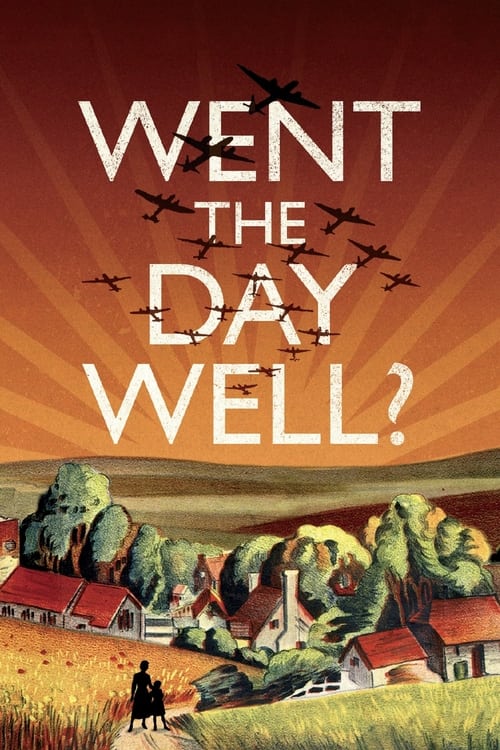
Went the Day Well? serves as a tool for national unity, emphasizing a unified, traditional identity over diverse representations. The film's structure reinforces the social and demographic norms of 1942. By focusing on a singular Anglo-Saxon village, the narrative avoids any disruption of traditional demographic norms. It presents a world where social hierarchies and gender roles are clearly defined and preserved against an external aggressor. Ultimately, the film aims to reinforce a specific wartime identity. It emphasizes the preservation of existing social structures rather than representing the complexities of underrepresented groups.
Category Breakdown
The film does not depict any non-straight or non-cisgender identities. It focuses solely on heterosexual relationships and traditional gender roles.
Women are primarily shown in domestic roles such as cooking and hosting guests. Men take the lead in responding to the German threat.
The story portrays a very homogeneous, rural English community. It does not include any racial or ethnic diversity, emphasizing a single Anglo-Saxon identity.
The narrative highlights traditional Western institutions and communal patriotism. It emphasizes the defense of the established social order and the sanctity of the British village.
There are no depictions of physical or neurodivergent identities. Characters are presented as fully capable participants in the communal struggle.
Present on Screen
Limited or Absent
Official Synopsis
The quiet village of Bramley End is taken over by German troops posing as Royal Engineers. Their task is to disrupt England's radar network in preparation for a full scale German invasion. Once the villagers discover the true identity of the troops, they do whatever they can to thwart the Nazis plans.
1941

1965
1939
1943
1962
1942
1960
1964
No reviews yet. Be the first to share your thoughts on this movie!
Use the rating form above to leave a star rating and optional review.