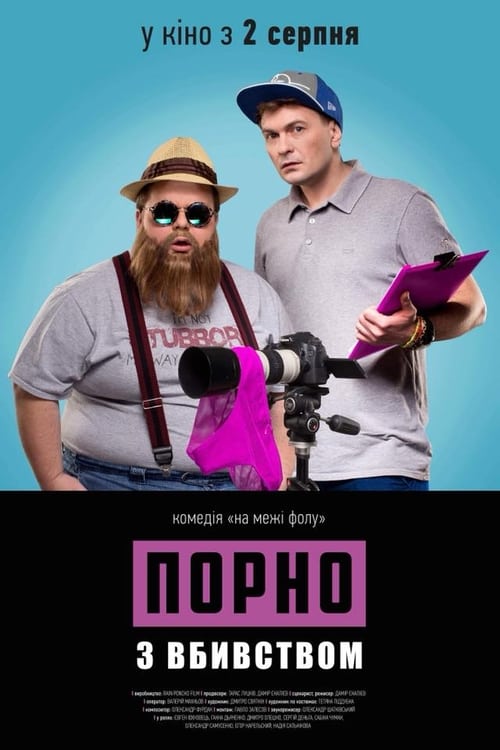
Porn with Murder
2018
No user ratings available yet
Representation score: 3.7 out of 10

Representation Score
Minimal
1987
PGDirector
Ron Casden
Runtime
94 minutes
Average Rating
No ratings yetNew Showbiz Analysis
Campus Man reflects the conventions of late 1980s cinema, emphasizing traditional masculine archetypes and commercial clichés. By focusing on a male-centric business venture and a male-dominated social sphere, the film reinforces standard social hierarchies. It lacks the intentional subversion of gender or racial norms necessary to move beyond a narrow, homogeneous perspective. Ultimately, the film presents a singular, traditional viewpoint rather than a diverse or inclusive one.
Category Breakdown
The film focuses on an all-male sports calendar, highlighting commercial interests centered around hyper-masculinity. There is no depiction of LGBTQ+ identities or narratives involving queer individuals.
The story emphasizes male ambition and entrepreneurship, with a male protagonist and antagonist. Female characters have little influence over the plot, indicating a lack of women's ability to drive the story.
The synopsis does not mention any ethnic diversity or varied perspectives. The homogeneous casting suggests a lack of diverse representation.
The film explores capitalism through a standard morality play about debt. It does not critique Western institutions or offer significant cultural subversion.
There is no indication of characters with visible or invisible disabilities in the film's narrative.
Present on Screen
Limited or Absent
Official Synopsis
Todd Barret is an aspiring businessman. He's got what it takes, but what he doesn't have is enough money to stay in college. So he cooks up a plan to make the first ever all male sports calendar. He eventually convinces Cactus Jack, a very shadowy and tough loan shark, to give him enough money to make the deal. Todd makes enough to pay for his education, but what about the money he owes Cactus Jack?
2018

1985

1992

2001

1988

1987

1988

1998
No reviews yet. Be the first to share your thoughts on this movie!
Use the rating form above to leave a star rating and optional review.