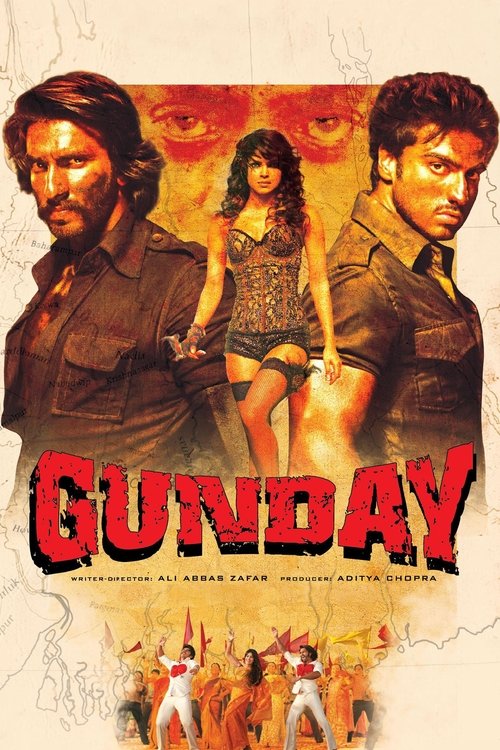
Gunday
2014
No user ratings available yet
Representation score: 3.4 out of 10
Representation Score
Limited
2013
NRDirector
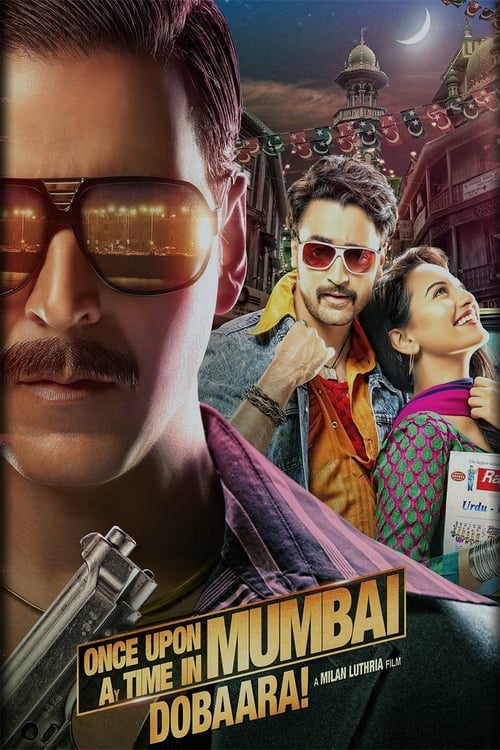
Milan Luthria
Runtime
160 minutes
Average Rating
No ratings yetNew Showbiz Analysis
The film operates as a stylized crime noir that emphasizes genre clichés such as obsession and betrayal over social commentary. While it provides female characters with significant influence, it does not challenge broader patriarchal structures. The narrative is deeply rooted in the traditional underworld setting of Mumbai, offering culturally specific immersion. However, the lack of LGBTQ+ representation and disability inclusion limits the diversity profile. Ultimately, the film follows a conventional framework of romantic rivalry and individualistic struggle, offering little engagement with progressive social frameworks or multi-layered identity politics.
Category Breakdown
The film focuses entirely on heterosexual relationships and does not include any representation of LGBTQ+ identities or non-conforming gender narratives.
Female characters play influential roles and have significant emotional impact, driving the plot through their interactions with male characters. However, their roles are still tied to traditional romantic and domestic clichés.
The cast is predominantly South Asian, reflecting the local Mumbai setting. This representation feels natural to the crime underworld setting rather than a deliberate effort to highlight diverse backgrounds.
The narrative explores individual ambition and ethical dilemmas within the criminal underworld. It primarily functions as a character study rather than a broader social critique.
There is no representation of visible or invisible disabilities. The main character arcs do not include neurodivergence or chronic illness.
Present on Screen
Limited or Absent
Official Synopsis
Shoaib's life takes a precarious turn when he finds himself pitted against a younger contemporary - not just in "business", but in love...
2014

2009
2013
2018
2010
2002
2013

2013
No reviews yet. Be the first to share your thoughts on this movie!
Use the rating form above to leave a star rating and optional review.