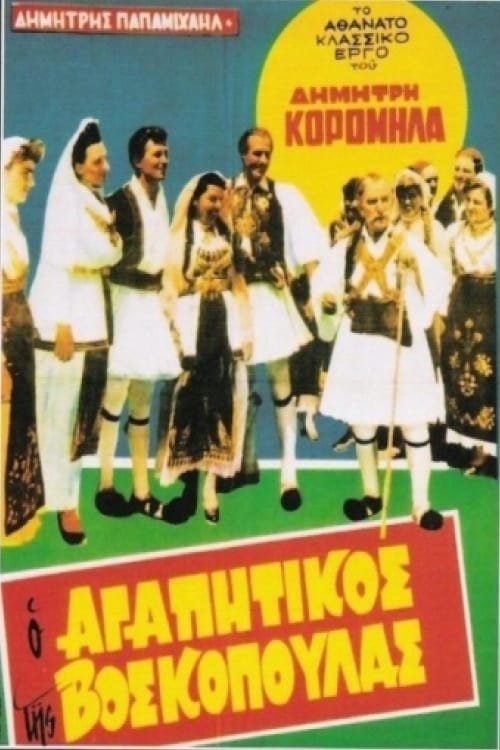
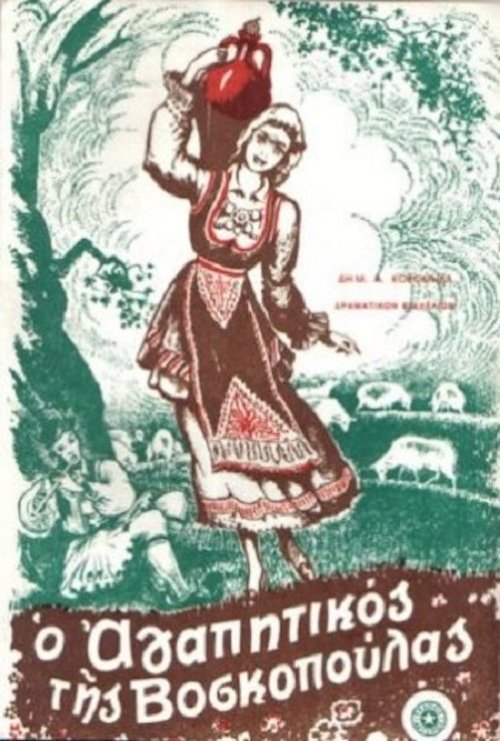
The Shepherdess' Lover
1956
No user ratings available yet
Representation score: 2.7 out of 10
Representation Score
Limited
1932
Director
Ilias Paraskevas, Dimitris Tsakiris
Runtime
95 minutes
Average Rating
No ratings yetNew Showbiz Analysis
True Love is a period piece rooted in traditional Greek pastoral romanticism. It relies on established folk clichés and the social hierarchies of the 19th century to drive its drama. The narrative centers on a romantic conflict between a wealthy landlord and a destitute shepherd. While it offers a culturally specific look at Greek rural life, it lacks modern multi-layered depth. Ultimately, the film functions as a conventional melodrama. It reinforces traditional social norms regarding class, gender, and honor rather than challenging them.
Category Breakdown
The film focuses on a traditional romantic triangle between a landlord, a shepherdess, and a shepherd. There is no indication of queer subtext or non-traditional gender identities.
Kroustallo serves as the central object of desire, though her role is limited by the social structures of the 19th century. The plot is primarily driven by male competition and traditional hierarchies.
The cast is ethnically uniform, reflecting the 19th-century Greek setting. The film celebrates Greek pastoral identity without actively addressing racial diversity.
The story emphasizes class distinctions and interpersonal honor within Mediterranean social structures. It reinforces established social hierarchies rather than challenging them.
There are no depictions of visible or invisible disabilities within the narrative.
Present on Screen
Limited or Absent
Official Synopsis
It is the third film in a row of the type that much later on was called "fustanella (Greek kilt)", following Gkolfo by Bachatoris (1914) and Astero by Gaziadis (1929). It is based on the successful theatrical play (rhyming pastoral romance) by Dimitrios Koromilas, who draws his inspiration from a poem by Giannis Zalokostas "I fell in love with a shepherdess". The setting is Greece, a rural country in the middle of the 19th century. A landlord, Mitros, gives Kroustallo a golden cross as a gift to show her his tender feelings. He doesn't know, however, that she is already in love with Liakos, a destitute young shepherd to whom Mitros owes his life - in the past he had saved him from drowning in the river. The cross around the neck of the shepherdess causes fights between the two men, while Mitros asks Kroustallo's hand from her mother, Mrs. Stathaina, who had been his childhood love.
1956

1965
1959
1965

2013
1939
1940
1931
No reviews yet. Be the first to share your thoughts on this movie!
Use the rating form above to leave a star rating and optional review.