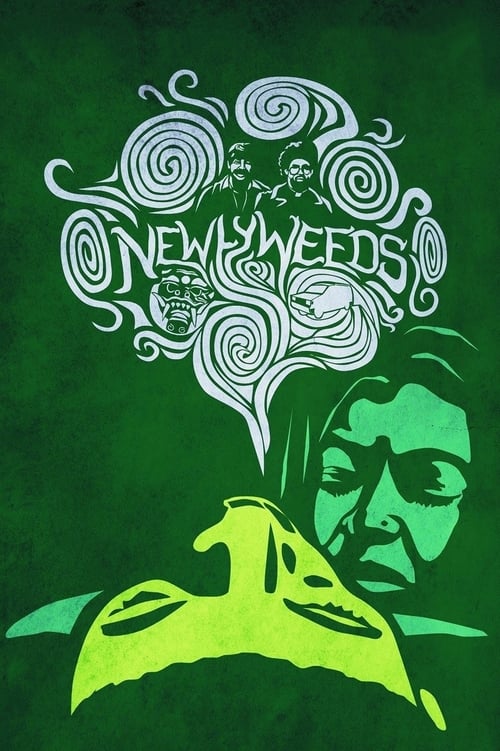
Newlyweeds
2013
No user ratings available yet
Diversity score: 4.8 out of 10
2011
Director
Harmony Korine
Runtime
15 minutes
Average Rating
No ratings yetSynopsis
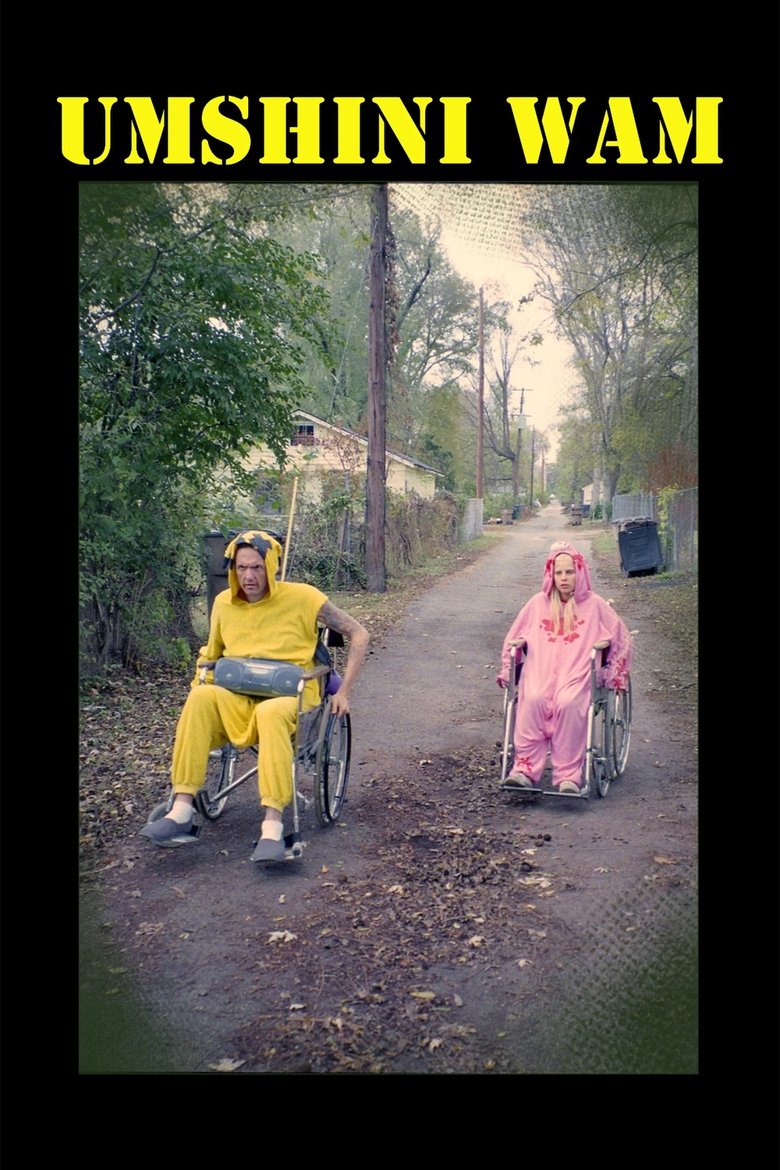
Big dreams, big blunts, big rims, and big guns. It's time to get gangsta gangsta. Ninja and Yo Landi are wheelchair-bound lovers and real gangstas. They live in the outskirts of civilization, they shoot guns for fun, smoke massive joints, and sleep in the woods. They don't have any bling to show for their gangsta cred, but the world deserves to know who they are. They're tramps, and their wheels are starting to fall off. Ninja become despondent over their vagabond existence, but Yo Landi won't let him give up. What ensues is straight up gangsta mayhem, the realist of the real, true gangsta shit.
Overall Score
Fair
Category Breakdown
LGBTQ+ Representation
The film maintains a strictly observational focus on its subjects. There is no discernible depiction of non-cisnormative identities or same-sex intimacy within the narrative.
Gender Representation
The documentary focuses almost exclusively on male subjects within a military framework. It reinforces traditional masculine hierarchies and lacks female agency or subversion of gendered power dynamics.
Racial & Ethnic Diversity
The film provides exceptional representation by centering an all-Black cast. It avoids the white gaze and tokenism, prioritizing the agency and depth of these individuals.
Religious & Cultural Diversity
The film provides a window into post-colonial institutional structures through observational realism. It avoids promoting singular religious morality, presenting instead a secular, professional environment.
Disability Representation
There are no primary characters or significant narrative arcs centered on physical or neurodivergent disabilities.
Strengths
Areas for Improvement
AI Analysis
Umshini Wam is a study in ethnographic realism that excels in racial authenticity. By centering an all-Black cast within a South African military context, the film avoids Western-centric mediation and tokenism. However, the film's scope is narrow regarding other social identities. It adheres to traditional masculine hierarchies and offers no engagement with LGBTQ+ or disability-centered narratives. The result is a bifurcated experience: a masterclass in non-tokenized racial representation that remains limited by its focus on a male-dominated, heteronormative military ecosystem.
2013
1999
2018
2017
2011
2012
2009
2008
2012

2015
2013
2004
No reviews yet. Be the first to share your thoughts on this movie!
Use the rating form above to leave a star rating and optional review.