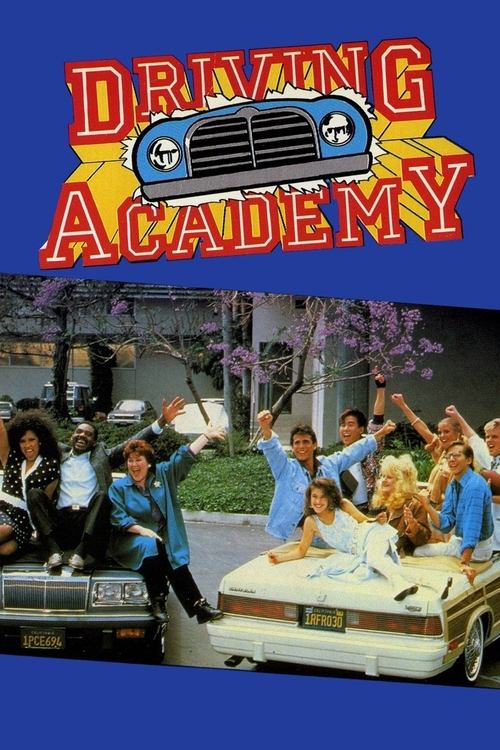
Crash Course
1988
No user ratings available yet
Representation score: 3.2 out of 10

Representation Score
Minimal
1985
PG-13Director
Neal Israel
Runtime
90 minutes
Average Rating
No ratings yetNew Showbiz Analysis
Moving Violations is a typical 1980s genre comedy that mirrors the social and demographic norms of its time. It relies on well-known commercial formulas rather than challenging traditional hierarchies or engaging in ideological subversion. The narrative centers on standard comedic clichés, such as teenage rebellion and minor social transgressions. It does not incorporate the nuanced, multi-layered character arcs needed to challenge traditional power structures. Overall, the film serves as a reflection of its era, prioritizing mainstream entertainment over progressive representation or the deconstruction of systemic norms.
Category Breakdown
The film does not include any LGBTQ+ characters or stories. It follows the typical assumptions of the era regarding straight relationships.
The story revolves around male-driven actions and traditional gender roles. Female characters often play secondary roles, serving mainly as objects of interest rather than active participants in the plot.
The cast is predominantly white, reflecting the demographics of the mid-1980s. There are no non-white main characters driving the central narrative.
The film adheres to conventional Western social norms. It focuses on teenage rebellion without questioning religious or societal institutions.
The film does not feature any characters with visible or invisible disabilities. The plot does not address neurodivergent representation.
Present on Screen
Limited or Absent
Official Synopsis
A group of careless and unlucky drivers are sentenced to attend traffic school to keep their records clean.
1988
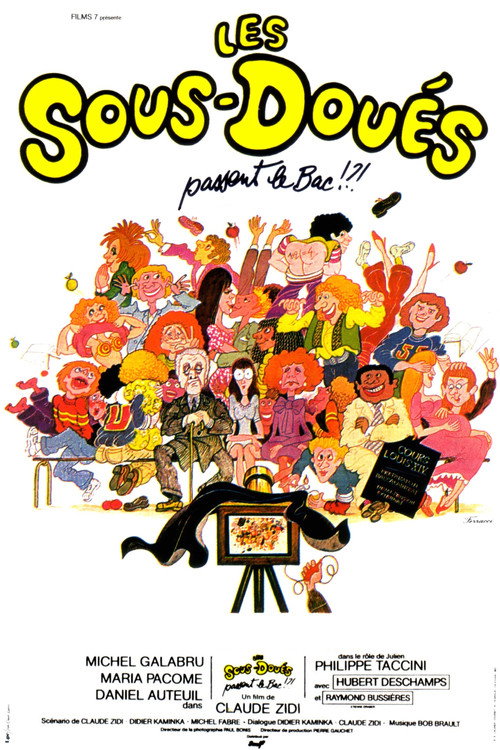
1980
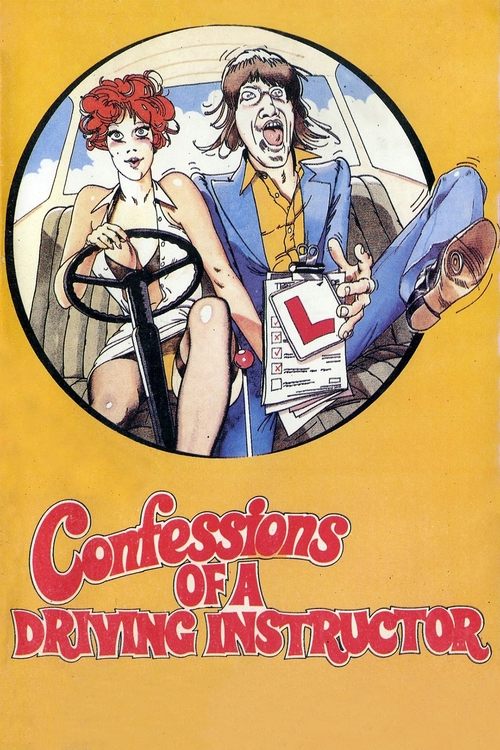
1976

1971
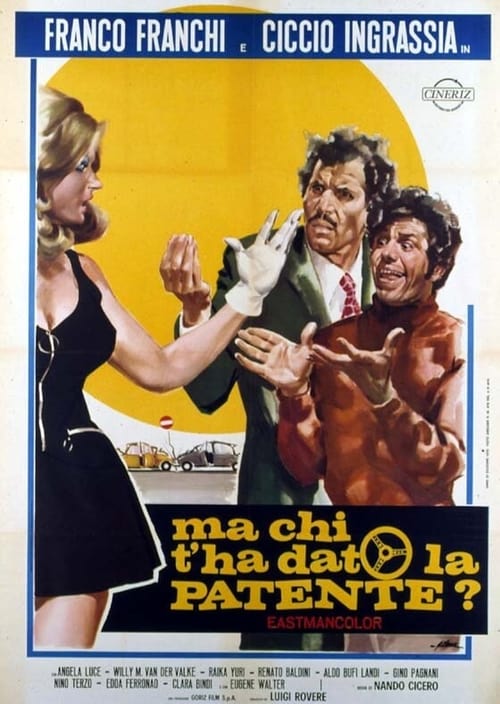
1970

2009
1997
1988
No reviews yet. Be the first to share your thoughts on this movie!
Use the rating form above to leave a star rating and optional review.