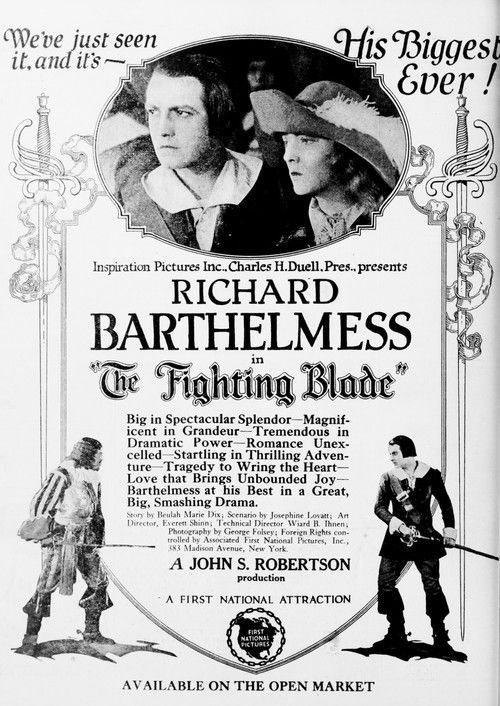
The Fighting Blade
1923
No user ratings available yet
Representation score: 2.0 out of 10
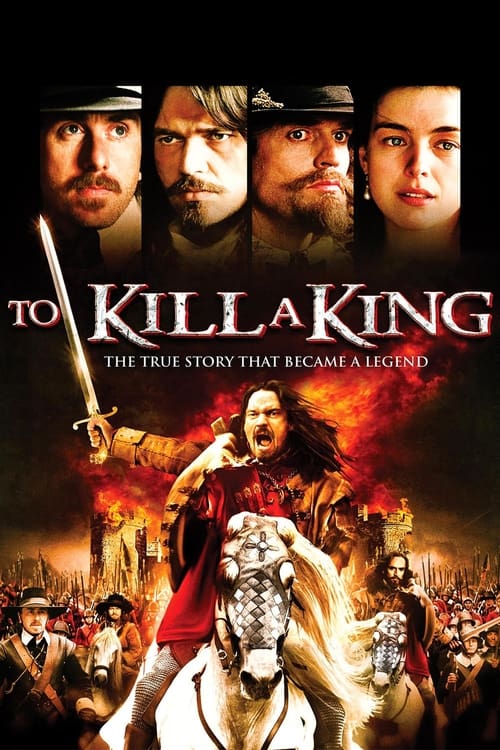
Representation Score
Limited
2003
Not RatedDirector
Mike Barker
Runtime
102 minutes
Average Rating
No ratings yetNew Showbiz Analysis
To Kill a King is a period drama that finds its progressive edge through thematic subversion rather than demographic inclusion. It excels at deconstructing traditional Western power structures, specifically the 'Divine Right of Kings,' by centering on the rise of republicanism. However, the film remains deeply traditional in its casting and character dynamics, focusing almost exclusively on white, male-dominated political spheres. This results in a lack of multi-layered depth. Ultimately, the film's value lies in its intellectual challenge to institutional authority. While it dismantles old hierarchies, it does not replace them with a diverse array of voices or identities.
Category Breakdown
The film focuses on 17th-century political and military maneuvers and does not depict non-assuming gender matches what was assigned at birth identities or same-sex intimacy, adhering to the straight-centered structures of the era.
Male protagonists dominate the military and political spheres. While the film challenges patriarchal monarchical structures, it lacks significant female characters driving the plot.
The cast is largely a homogeneous European group. The narrative reflects the demographic constraints of the English Civil War without incorporating non-Anglo-Saxon perspectives.
The story offers a sophisticated critique of Western institutions. It portrays the monarchy as an oppressive force, favoring republicanism and the dismantling of established religious and royal orders.
There is no discernible representation of visible or invisible disabilities. No character arcs are defined by physical impairment or neurodivergence.
Present on Screen
Limited or Absent
Official Synopsis
A recounting of the relationship between General Fairfax and Oliver Cromwell, as they try to cope with the consequences of deposing King Charles I.
1923

1999
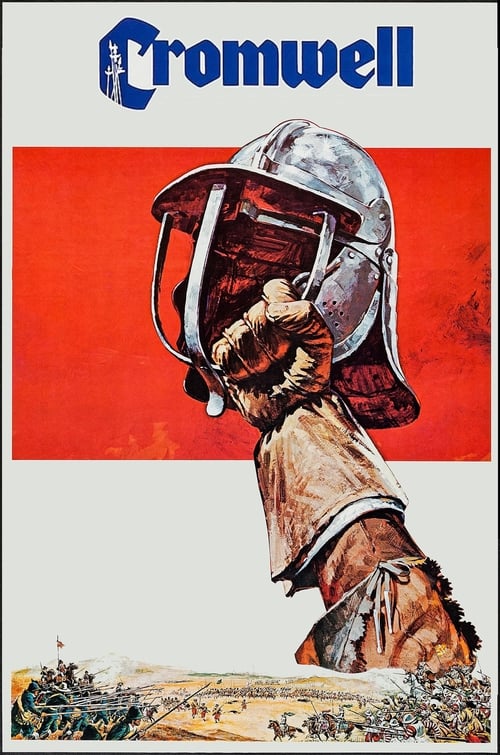
1970
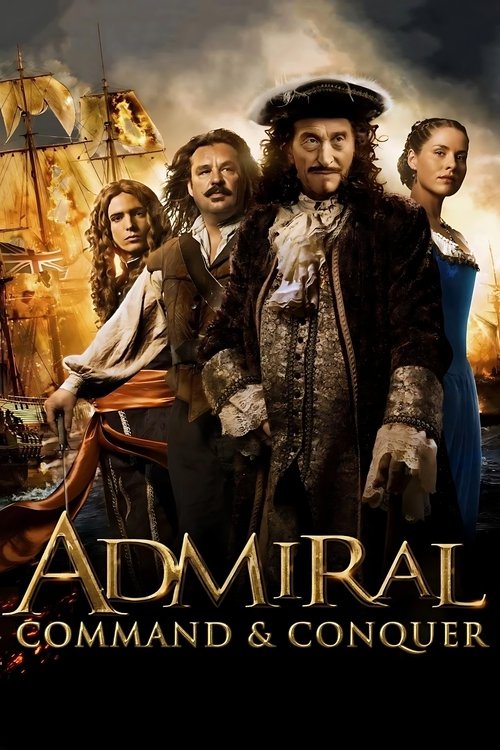
2015

2019
2002
1985
2011
No reviews yet. Be the first to share your thoughts on this movie!
Use the rating form above to leave a star rating and optional review.