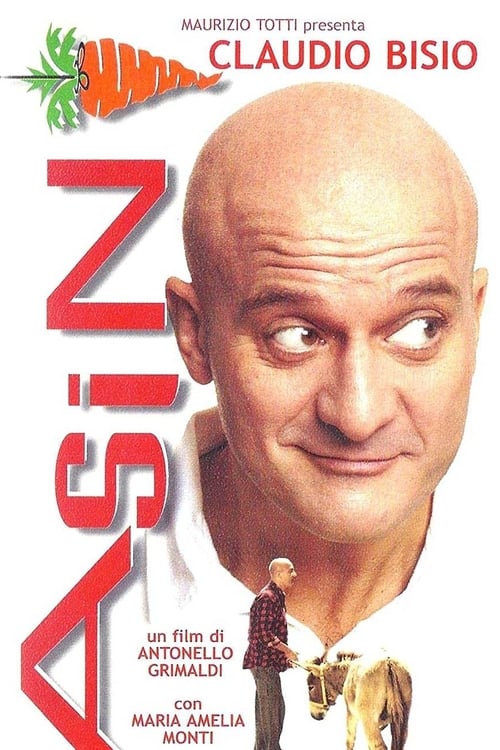
Asini
1999
No user ratings available yet
Representation score: 2.2 out of 10

Representation Score
Minimal
1999
Director
Arturo Brachetti
Runtime
120 minutes
Average Rating
No ratings yetNew Showbiz Analysis
Tel chi el telùn functions primarily as a performance-based comedy show rather than a vehicle for social critique. Rooted in the theatrical traditions of illusionist Arturo Brachetti, the work focuses on physical comedy and entertainment value. The production lacks the markers of complex representation or the intentional subversion of social hierarchies. It operates within the conventional comedic frameworks and homogeneous cultural contexts common to late-1990s regional productions. Ultimately, the film does not engage with broader social structures, resulting in a lack of diverse representation across most identity categories.
Category Breakdown
The production does not include any LGBTQ+ characters or narratives. It lacks depictions of non-binary gender identities.
The comedy likely relies on traditional gender-based humor. There is no evidence of women taking leadership roles or challenging traditional masculinity.
The production appears to reflect a homogeneous cultural context typical of late-90s regional comedy. It lacks a diverse or non-Anglo-Saxon majority cast.
The show prioritizes entertainment and slapstick over critiquing Western institutions. It adheres to the social norms and traditional structures of its time.
There is no documented evidence of characters with visible or invisible disabilities. No such characters serve as central narrative drivers.
Present on Screen
Limited or Absent
Official Synopsis
A comedy show.
1999
1999

2019
1990

2001
1988
1999

2013
No reviews yet. Be the first to share your thoughts on this movie!
Use the rating form above to leave a star rating and optional review.