Vicious Circle
1997
No user ratings available yet
Representation score: 5.0 out of 10
Representation Score
Good
2017
Director
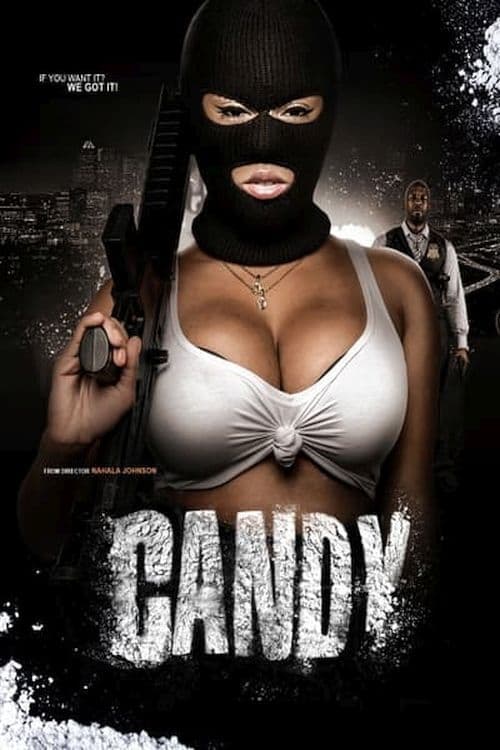
Nahala Johnson
Runtime
76 minutes
Average Rating
No ratings yetNew Showbiz Analysis
Candy succeeds by deconstructing traditional crime clichés, replacing male-centric violence with a study of women's ability to drive the story and racial identity. It offers a detailed look at the Black experience in the American South through a culturally specific lens. The film's strength lies in its ability to center the lived experiences of Black women within a high-stakes environment. By shifting power away from patriarchal structures, it presents a unique perspective on socioeconomic survival. However, the narrative remains within traditional relational structures, lacking explicit LGBTQ+ representation. The focus is heavily weighted toward racial and gendered empowerment.
Category Breakdown
The story focuses on maternal bonds and female friendships. It lacks explicit representations of non-straight or non-cisgender identities and does not overtly critique the assumption that everyone is straight or cisgender.
The film disrupts traditional gender roles by centering women's ability to drive the story in a male-dominated criminal underworld. Women play a significant role in their own survival.
Set in 1970s Houston, the film uses a predominantly Black cast to explore the Black experience. It avoids focusing on white perspectives by prioritizing internal community landscapes.
The narrative portrays urban survival as a response to systemic pressures rather than simple criminality. It emphasizes community-specific survival over Western institutional stability.
There is no significant evidence regarding the portrayal of visible or invisible disabilities within the narrative.
Present on Screen
Limited or Absent
Official Synopsis
This dramatic tale of four women running the dope game in a big city is a familiar story that is as colorful as the characters they meet in the streets.
1997

2022

2024
2019
2011
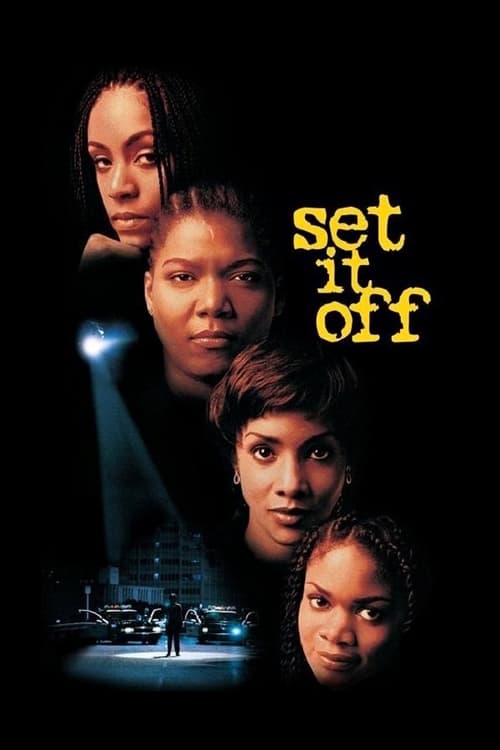
1996
2021

2021
No reviews yet. Be the first to share your thoughts on this movie!
Use the rating form above to leave a star rating and optional review.