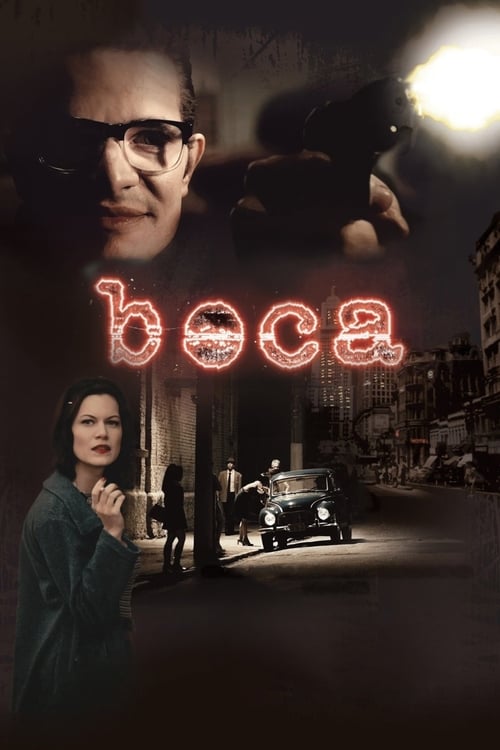
Boca
2010
No user ratings available yet
Representation score: 5.1 out of 10

Representation Score
Good
2024
TV-MADirector
João Wainer
Runtime
80 minutes
Average Rating
No ratings yetNew Showbiz Analysis
Outlaw (2024) stands out as a bold reimagining of the crime genre, focusing on a woman's rise to power in Rio de Janeiro's criminal world. By placing a female protagonist in the role of a kingpin, the film upends traditional gender hierarchies often seen in action dramas. The setting of Rocinha offers a rich, culturally specific context that shifts away from Anglo-centric viewpoints. This enables a deep dive into the themes of race, class, and the informal economy within a underrepresented urban area. While the film shines in its gender and racial representation, it does not feature any visible LGBTQ+ identities or provide information about characters with disabilities.
Category Breakdown
The film does not include any explicit LGBTQ+ characters or explore non-straight relationships. The focus is on the romantic and power dynamics between Rebeca and the drug kingpin.
The movie features a strong female lead who transitions from being exploited to becoming a powerful kingpin. This challenges traditional gender roles typically associated with crime stories.
Set in Rocinha, the film highlights Brazil’s racial and ethnic complexities. It centers on a predominantly non-white cast and examines power through a post-colonial lens.
The story questions Western legal systems by presenting crime as a survival mechanism. It critiques traditional social structures through a portrayal of a traumatized family unit.
The provided information does not contain details regarding characters with physical or neurodivergent disabilities.
Present on Screen
Limited or Absent
Official Synopsis
At the age of nine, Rebeca is sold by her grandmother to the bookseller who ran Rocinha. Disputed by bicheiros and drug dealers, the community is going through changes in power. Rebeca becomes the wife of the chief drug dealer and, with the death of her partner, his successor. The electrifying trajectory of crime, violence, drugs and love of a female drug kingpin in Rocinha, Rio de Janeiro in the 1980s.
2010
2008

1985
2000
2010
2004
2012
2006
No reviews yet. Be the first to share your thoughts on this movie!
Use the rating form above to leave a star rating and optional review.