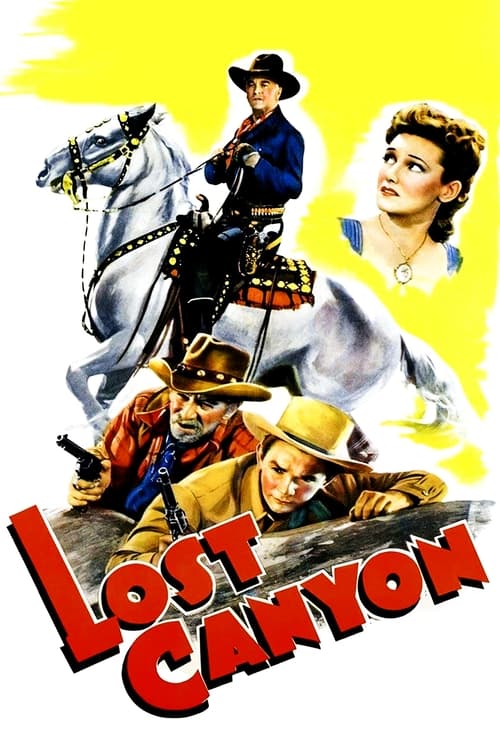
Lost Canyon
1942
No user ratings available yet
Representation score: 1.7 out of 10

Representation Score
Minimal
1950
NRDirector
Lesley Selander
Runtime
61 minutes
Average Rating
No ratings yetNew Showbiz Analysis
The film opens on the desolate Wyoming landscape, a white void where the moral order is stripped to its barest elements. *Storm Over Wyoming* sells a vision of the frontier as a meritocratic testing ground, where Dave Saunders’ stoic competence and Chris Marvin’s loyal resilience form the only viable path to survival. The pictures are straightforward: Dave is the unmarked majority hero whose actions define right and wrong, while Chris is the reward for his virtue. The camera lingers on their partnership, framing their bond as the natural outcome of a world where law is absent and individual action is the only justice. The film’s argument is that traditional masculine authority is the necessary antidote to chaos. Dave’s competence is not just a trait but a moral imperative, contrasting sharply with the inept or corrupt men who threaten the valley. This hierarchy is unchallenged; the film does not question the gender dynamics of protection and prize, nor does it interrogate the racial homogeneity of its frontier. The ending, with Dave and Chris standing together against the storm, affirms that survival requires mutual reliance within these traditional bounds. The moral verdict is clear: in a hostile world, the only good is the one that endures, and the only partnership that matters is the one that upholds the old order.
Category Breakdown
The narrative remains strictly heterosexual, centering the implied romance between Dave and Chris. No same-sex intimacy, queer identity, or non-binary presence appears on screen.
Chris Marvin functions as the protected prize who validates Dave’s competence, while male characters define the moral hierarchy. Dave’s stoic virtue contrasts with the inept or corrupt men around him, establishing traditional masculine authority as the story’s default.
The cast is entirely white, reflecting the era’s standard B-Western production values. No non-white characters appear in significant roles, leaving the frontier space visually and narratively unmarked by other ethnicities.
The film treats individual honor, frontier law, and earned wealth as inherently good. The range war is resolved through masculine action rather than systemic critique, reinforcing the Western genre’s faith in personal merit and rural self-reliance.
All characters are depicted as physically capable and healthy. No disability, impairment, or medical condition is present, and the narrative relies on rugged physical endurance as the primary mode of survival.
Present on Screen
Limited or Absent
Official Synopsis
Dave Saunders and his sidekick Chito, cowhands looking for work, arrive in Sundown Valley, Wyoming just in time to stop sheep ranch foreman Jess Rawlins from lynching cattleman Tug Caldwell. Rawlins seems set on starting a range war; but why? Before Dave and Chito can find out, they must convince Chris Marvin, Rawlins's attractive boss, that he's no good...and get out from under a framed murder charge. - Rod Crawford
1942
1940
1942
1943
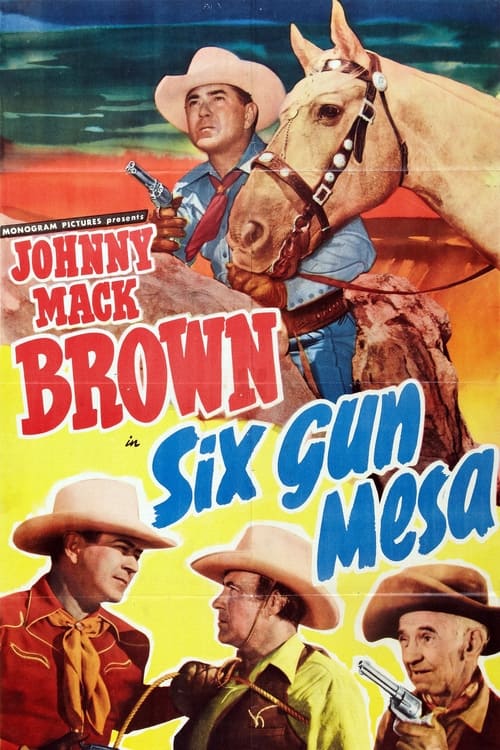
1950
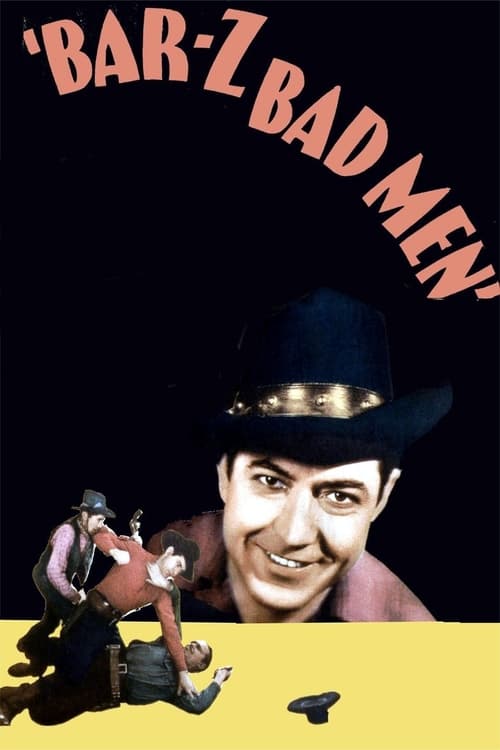
1937
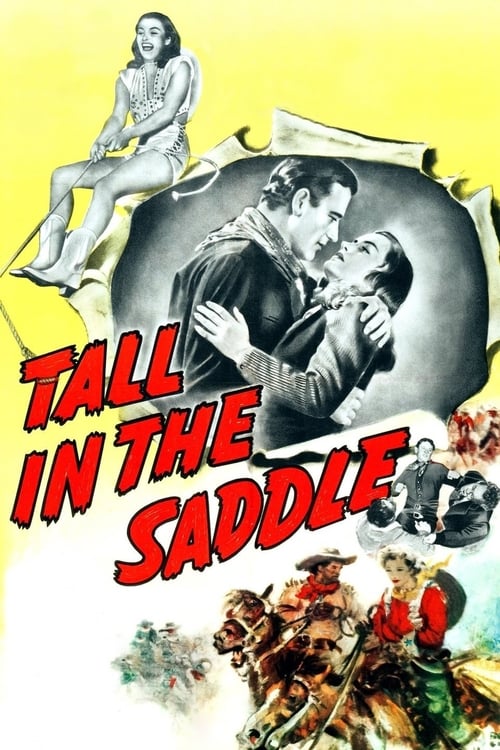
1944
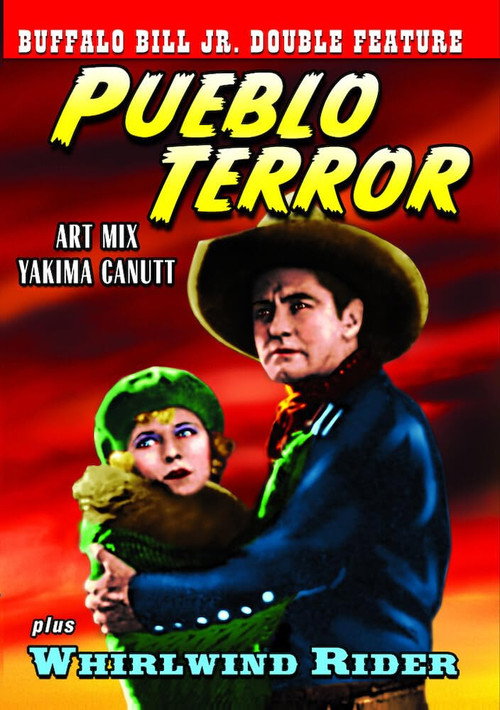
1931
No reviews yet. Be the first to share your thoughts on this movie!
Use the rating form above to leave a star rating and optional review.