
Karla
2025
No user ratings available yet
Representation score: 8.0 out of 10
Representation Score
Fair
2025
Director
Arnaud Dufeys, Charlotte Devillers
Runtime
78 minutes
Average Rating
No ratings yetNew Showbiz Analysis
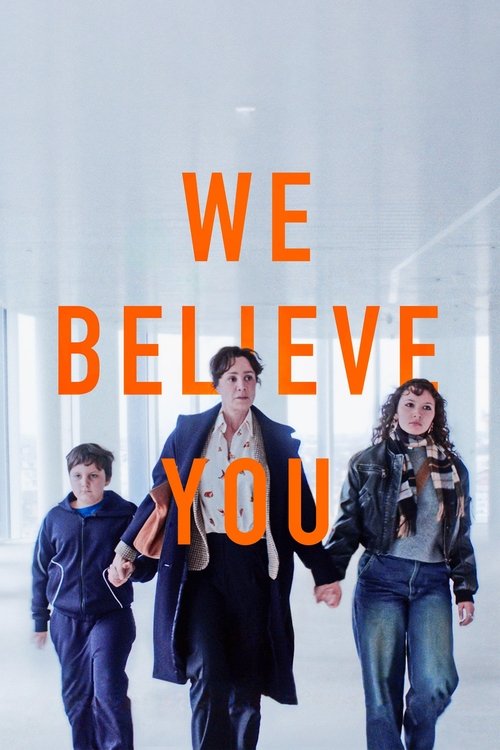
We Believe You centers its narrative on women's ability to drive the story, placing a woman at the heart of a high-stakes legal struggle. This focus on maternal resilience provides a strong foundation for gender-driven storytelling. The production shows promise through a diverse Belgian cast, moving away from homogeneous casting patterns. However, the film's scope appears limited regarding multi-layered identities. While the film challenges systemic institutions, it lacks visible representation for LGBTQ+ communities or individuals with disabilities. This results in a moderate diversity profile that leans heavily on gendered perspectives.
Category Breakdown
The film does not explicitly include LGBTQ+ characters or non-straight relationships. The custody battle focuses on traditional family units.
Alice serves as a actively leading protagonist navigating a high-stakes judicial environment. The story emphasizes women's ability to drive the story and maternal resilience over traditional male leadership.
Casting choices like Myriem Akheddiou and Mounir Bennaoum suggest ethnic diversity within the Belgian context. This indicates a departure from a purely homogeneous cast.
The narrative engages with the critique of judicial and family systems. It explores the vulnerability of individuals against the perceived infallibility of state institutions.
There is no evidence regarding the inclusion of characters with visible or invisible disabilities in this work.
Present on Screen
Limited or Absent
Official Synopsis
Today, Alice stands before a judge, knowing there is no room for error. She must speak up for her children, as her custody is being called into question. Can she protect them from their father before it is too late?
2025
2020

2025

2018

2025

2025

2023

2016
No reviews yet. Be the first to share your thoughts on this movie!
Use the rating form above to leave a star rating and optional review.