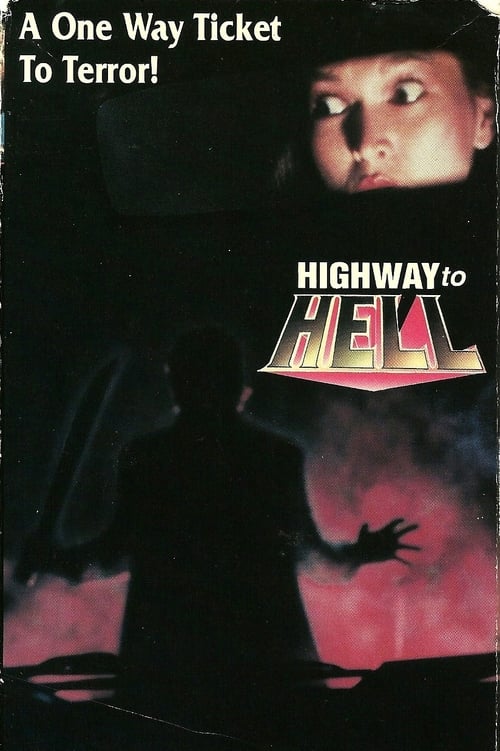
Highway to Hell
1990
No user ratings available yet
Representation score: 3.5 out of 10
Representation Score
Limited
1989
Not RatedDirector
Danny Kuchuck, J. Christian Ingvordsen
Runtime
103 minutes
Average Rating
No ratings yetNew Showbiz Analysis
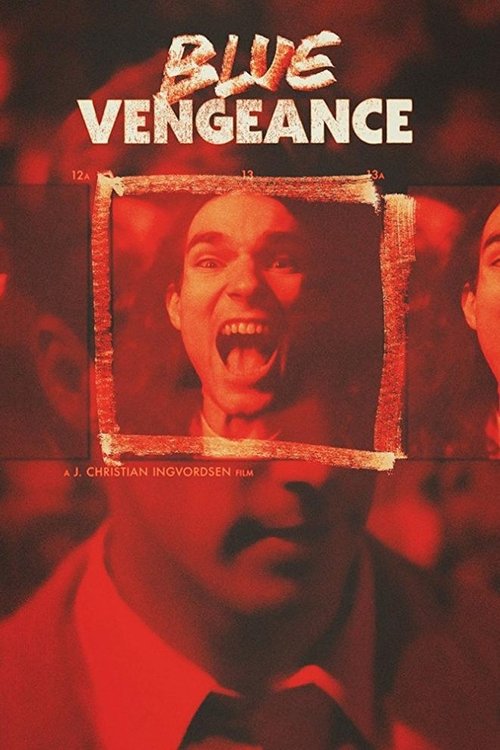
Blue Vengeance is a product of late-1980s genre conventions, prioritizing high-stakes psychological horror over social complexity. The narrative structure is built around a singular, violent male protagonist, which limits the space for perspectives that reflect multiple aspects of identity. The film relies heavily on established clichés, particularly regarding mental health and gender roles. Rather than challenging familiar patterns, the story follows predictable formulas found in low-budget crime and horror cinema of its era. Ultimately, the work lacks the breadth required for meaningful representation. It functions as a character study of individual pathology rather than a vehicle for diverse cultural or social exploration.
Category Breakdown
The film does not include any LGBTQ+ characters or non-cisgender identities. The story focuses on a male protagonist's psychological journey, avoiding diverse sexual orientation storylines.
The story centers on a male protagonist driven by violent obsession. Female characters primarily serve as passive plot devices rather than active agents within the traditional gender hierarchy.
There is no indication of a diverse cast or the subversion of Anglo-Saxon casting norms. The film follows the homogeneous casting patterns typical of late-1980s independent crime thrillers.
The film explores occultism and the influence of music on the psyche. However, it treats these themes through a psychological lens rather than offering a critique of Western institutions.
The protagonist's escape from an asylum suggests a focus on mental health. This likely relies on the 'dangerous madman' cliché rather than providing a nuanced portrayal of neurodivergence.
Present on Screen
Limited or Absent
Official Synopsis
Convicted murderer Mark Trex escapes from an asylum and heads to New York City believing that his favorite band's occult hit song, which told of Satan and death, is true.
1990
1983
1995
1988
1984

1983
1987
1991
No reviews yet. Be the first to share your thoughts on this movie!
Use the rating form above to leave a star rating and optional review.