
White Right: Meeting the Enemy
2017
No user ratings available yet
Representation score: 6.4 out of 10
Representation Score
Excellent
2017
Director
Emil Ramos, Patrik Öberg
Runtime
74 minutes
Average Rating
No ratings yetNew Showbiz Analysis
The documentary challenges the idea of a homogeneous Europe by highlighting the struggles of diverse activists in Sweden and Greece. It focuses on the consequences of far-right violence against underrepresented individuals, providing a platform for often-excluded voices. However, the film's diversity is somewhat limited, focusing more on the political consequences of conflict than on specific identity-based representation. While racial and cultural critiques are strong, there is little evidence regarding the presence of LGBTQ+ individuals or neurodivergent perspectives. Ultimately, the work serves as a powerful study of ideological friction, but it does not provide a nuanced exploration of disability or gender dynamics.
Category Breakdown
The film focuses on the political motivations and personal histories of militants. There is no explicit mention of LGBTQ+ identities or queer relationships.
The narrative centers on political activism and militant activities. It is unclear whether women play leadership roles or if the movement relies on traditional masculine stereotypes.
The documentary disrupts monolithic European narratives by centering activists in multicultural urban centers. It highlights the struggles of non-white activists and provides a platform for their voices.
The film explores systemic oppression by criticizing nationalist hierarchies and traditional Western structures. It examines the morality of radical actions against established political orders.
The film focuses on the aftermath of a violent attack that leaves an activist in a coma. It does not explore the ability to act of disabled individuals or their roles in the story.
Present on Screen
Limited or Absent
Official Synopsis
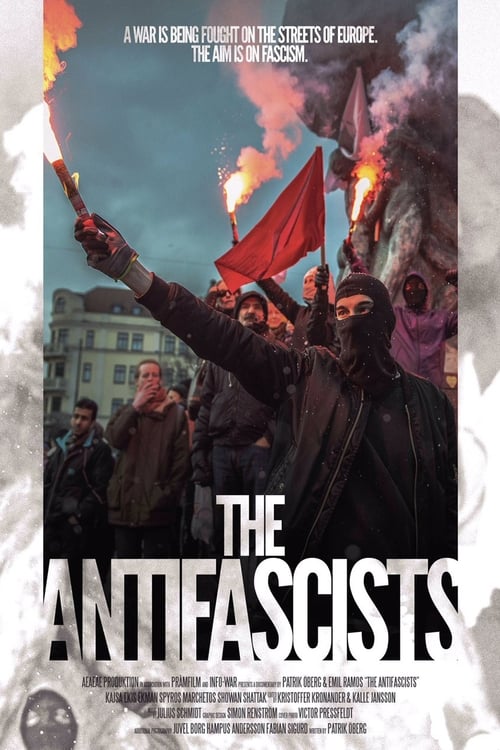
A low-intensity war is being fought on the streets of Europe and the aim is on fascism. This critically acclaimed documentary takes us behind the masks of the militants called antifascists. In 2013 a group of armed nazis attacks a peaceful demonstration in Stockholm where several people are injured. In Greece the neo-nazi party Golden Dawn becomes the third largest in the election and in Malmö the activist Showan Shattak and his friends are attacked by a group of nazis with knives and he ends up in a coma. In this portrait of the antifascists in Greece and Sweden we get to meet key figures that explain their view on their radical politics but also to question the level their own violence and militancy.
2017
2013
2008
2015
2005

2024
2018
2017
No reviews yet. Be the first to share your thoughts on this movie!
Use the rating form above to leave a star rating and optional review.