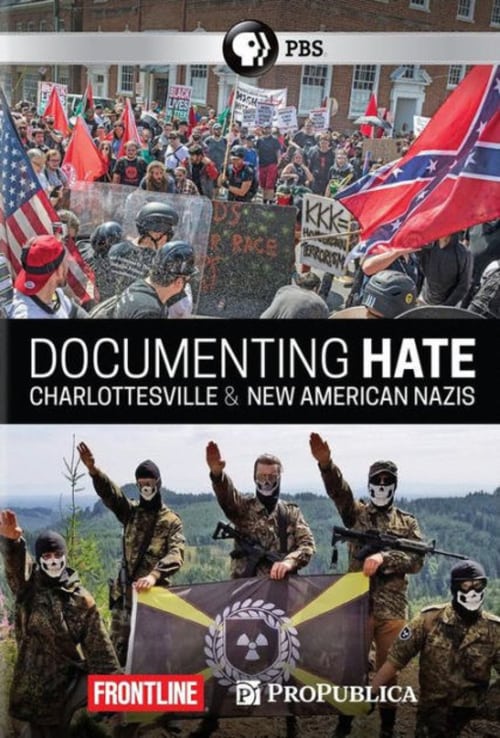
Documenting Hate: Charlottesville
2018
No user ratings available yet
Representation score: 6.8 out of 10
Representation Score
Good
2017
TV-14Runtime
22 minutes
Average Rating
No ratings yetNew Showbiz Analysis
This documentary uses a journalistic approach to explore the sociopolitical unrest surrounding the 'Unite the Right' rally. It achieves its goal by contrasting extremist ideologies with the lived experiences of underrepresented groups and local residents. The narrative structure breaks down monolithic views of American civic life. By providing direct access to white nationalist leaders and centering multi-layered activism, the film examines the tension between radicalized factions and civil society. Ultimately, the film investigates identity-based power dynamics. It provides unfiltered access to challenge social hierarchies and offers a nuanced perspective on contemporary racial tensions.
Category Breakdown
The film highlights LGBTQ+ counter-protesters who oppose the rally. Their involvement underscores the interconnected nature of their identities and the fight against white nationalist ideologies.
Women play significant roles in both protest movements and the investigative journalism. This portrayal challenges the idea that political unrest is solely a masculine issue.
The documentary focuses on Black residents and Black Lives Matter members, giving them the opportunity to express their responses to oppression. It contrasts the homogeneous nationalist groups with a diverse, multi-ethnic community.
The film emphasizes the perspectives of those affected by systemic violence. It critiques nationalist and traditionalist structures by showing the breakdown of civil order.
There is no evidence within the film to evaluate the representation of visible or invisible disabilities.
Present on Screen
Limited or Absent
Official Synopsis
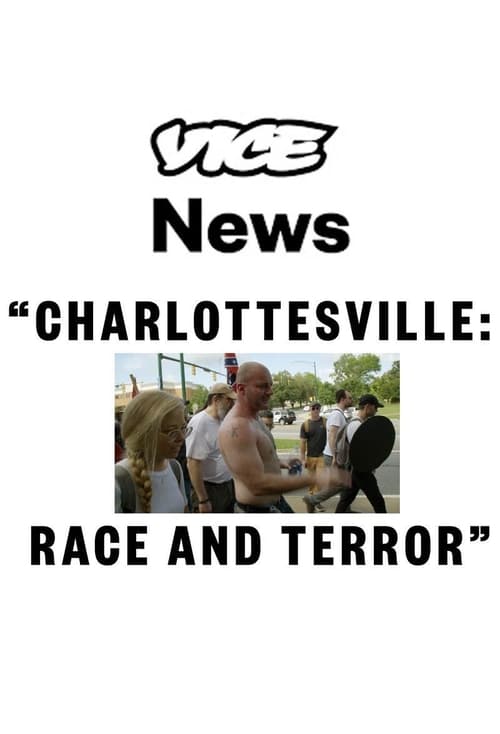
On Saturday 8/12/2017, hundreds of white nationalists, alt-righters, and neo-Nazis traveled to Charlottesville, Virginia to participate in the “Unite the Right” rally. By Saturday evening three people were dead – one protester, and two police officers – and many more injured. “VICE News Tonight” correspondent Elle Reeve went behind the scenes with white nationalist leaders, including Christopher Cantwell, Robert Ray, David Duke, and Matthew Heimbach — as well as counter-protesters. VICE News Tonight also spoke with residents of Charlottesville, members of the Black Lives Matter movement, and the Charlottesville Police. From the neo-Nazi protests at Emancipation Park to Cantwell’s hideaway outside of Virginia, “VICE News Tonight” provides viewers with exclusive, up close and personal access inside the unrest.
2018
2015
2018
2012

2017
2019
2023
2018
No reviews yet. Be the first to share your thoughts on this movie!
Use the rating form above to leave a star rating and optional review.