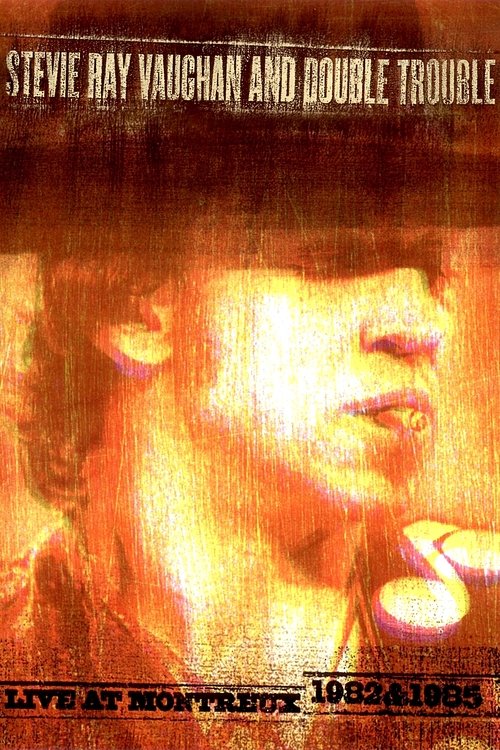
Stevie Ray Vaughan and Double Trouble: Live at Montreux 1982 & 1985
2004
No user ratings available yet
Representation score: 1.4 out of 10
Representation Score
Minimal
1973
GDirector
Chuck Johnson
Runtime
78 minutes
Average Rating
No ratings yetNew Showbiz Analysis
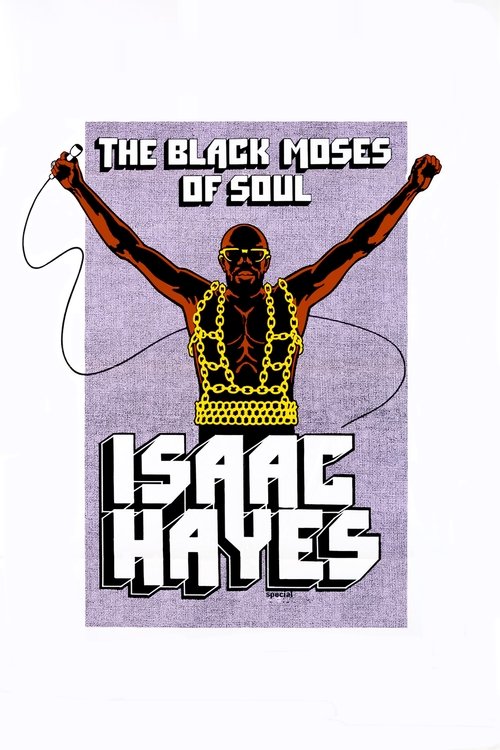
This 1973 concert documentary focuses entirely on Isaac Hayes and his band performing live. It offers strong racial representation by highlighting Black artists and audiences within the soul music scene. However, the film lacks gender diversity, with women appearing only in minor background roles. There is no LGBTQ+ presence or disability representation shown. The cultural framing is celebratory, using reverent language for Hayes without challenging traditional norms.
Category Breakdown
No LGBTQ+ characters appear in this concert documentary. Isaac Hayes’s personal life is not discussed on screen, leaving queer identities entirely absent from the narrative.
Isaac Hayes dominates the film as lead musician and bandleader. Women appear only briefly as background performers or audience members without speaking roles, limiting gender diversity.
The film centers Black culture, featuring Isaac Hayes and his all-Black band performing soul music. The cast and audience are predominantly Black, reflecting the genre’s roots.
The title uses religious imagery to praise Hayes’s cultural impact. The film celebrates Black musical heritage without critiquing Western institutions or religion.
No characters with physical or mental disabilities appear in the concert footage or interviews. Disability is not part of the narrative.
Present on Screen
Limited or Absent
Official Synopsis
Isaac Hayes with his band, The Movement, recorded live in concert in Atlanta, Georgia, during their 1973 tour.
2004
1977
2011
2008
1981
1985
1969
1978
No reviews yet. Be the first to share your thoughts on this movie!
Use the rating form above to leave a star rating and optional review.