
Within These Walls
2015
No user ratings available yet
Representation score: 2.9 out of 10
Representation Score
Good
2015
TV-MADirector
Sonny Mallhi
Runtime
91 minutes
Average Rating
No ratings yetNew Showbiz Analysis
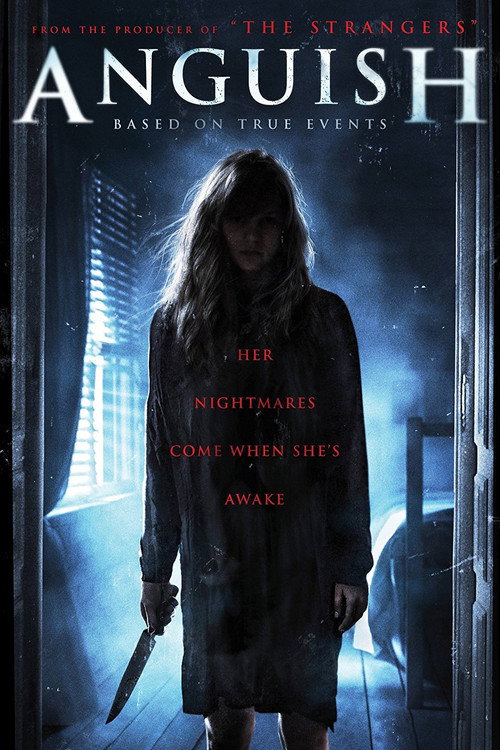
Anguish is a character-driven psychological study centered on women's ability to drive the story and the intricacies of mental health. By making psychosis the focal point, the film avoids common horror clichés that dehumanize neurodivergence. The film also offers a nuanced critique of institutional failures, portraying religion and medicine as unreliable safety nets. However, the film's impact is limited by a lack of visible markers of diversity. Without information on racial diversity or LGBTQ+ representation, the narrative remains focused on a narrower social scope.
Category Breakdown
The film does not include explicit representations of LGBTQ+ identities or relationships outside of heterosexual norms. The story focuses on the maternal bond and the protagonist's internal struggles.
Women play key roles in shaping the conflict and resolution. By focusing on Tess, her mother, and Sarah, the film avoids typical male-dominated horror clichés.
The provided information does not offer specific details regarding the racial or ethnic composition of the cast. Consequently, no definitive score can be assigned to this category.
The story critiques Western institutions, presenting religion and medicine as flawed systems. It examines the tension between faith and science through a lens of existential doubt.
Psychosis is central to the narrative, giving Tess a significant role in driving the story. The film avoids using her condition as a monster stereotype.
Present on Screen
Limited or Absent
Official Synopsis
A new girl in a quiet town, Tess tries to manage her psychosis while adjusting to her new life with her mom. After stumbling upon the shrine of Lucy, a hit and run victim, Tess finds herself overwhelmed by hallucinations of the dead girl and starts to question her sanity again. When the spirit possesses Tess’s mind and soul, mother and daughter are at a loss for where to turn next for salvation: religion or medicine? Both institutions have failed them to date but faith leads them to the house of Sarah, Lucy’s mother, who has been despondent since the accident. All together with time working against them, Sarah is desperate to believe that Lucy is still alive in Tess but neither parent wants to give up on their daughter. Now that she understands what is happening to her, ultimately Tess must decide whether she wants to keep fighting or succumb to her affliction.
2015
2015

2015

2022

2016

2014

2012
2012
No reviews yet. Be the first to share your thoughts on this movie!
Use the rating form above to leave a star rating and optional review.