
Drifter: Henry Lee Lucas
2009
No user ratings available yet
Representation score: 0.6 out of 10
Representation Score
Minimal
2013
Director
Anthony Spadaccini
Runtime
109 minutes
Average Rating
No ratings yetNew Showbiz Analysis
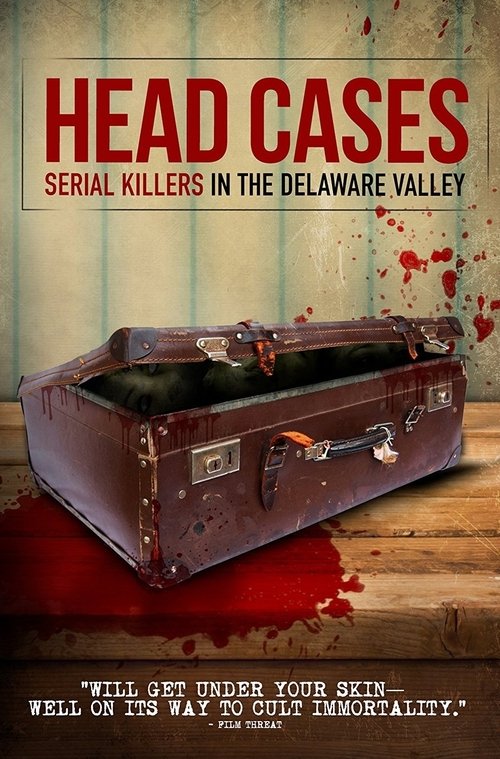
Head Cases: Serial Killers in the Delaware Valley is a localized true-crime documentary that prioritizes forensic investigation over social representation. Its focus on the criminal pathology of Wayne Montgomery and his followers limits its exploration of diverse identities. The film's structure is built around a narrow lens of violence, which offers limited space for meaningful demographic or systemic representation. Because the subject matter is rooted in individual deviance, the film adheres to standard genre conventions without challenging traditional social norms.
Category Breakdown
The documentary focuses solely on criminal behavior and serial killers. It does not include any LGBTQ+ characters or narratives about non-traditional gender identities.
The film centers on the case of Wayne Montgomery within a traditional true-crime framework. It does not challenge gender hierarchies or highlight female roles in the narrative.
The narrative is set in the Delaware Valley region and does not intentionally blend races or include a diverse range of subjects and interviewees.
The film operates within established legal and social structures to discuss criminality. It does not engage with anti-Western or secular themes to critique traditional institutions.
Mental health and neurodivergence are used primarily as clinical tools to explain criminal behavior. There is no representation of disability outside of a psychological profile.
Present on Screen
Limited or Absent
Official Synopsis
Serial killer Wayne Montgomery committed 41 murders between 1979 and 2007, leaving behind an extensive video library of his life's work. Now, a new generation is carrying on Wayne's brutal legacy in a terrifying world where rules do not apply. Press play and take a trip through the mind of one of history's most prolific serial killers - and his devoted followers who are out for blood.
2009
2003
2007

2009
2017

2018

2001

2008
No reviews yet. Be the first to share your thoughts on this movie!
Use the rating form above to leave a star rating and optional review.