
Aurora Leone - Una famiglia a pretesto
2023
No user ratings available yet
Representation score: 3.0 out of 10

Representation Score
Fair
2013
Director
Giovanni Piperno, Agostino Ferrente
Runtime
88 minutes
Average Rating
No ratings yetNew Showbiz Analysis
Le cose belle primarily serves as a temporal character study rather than a vehicle for identity politics. It disrupts the traditional coming-of-age cliché by focusing on disillusionment and urban decay. While it provides a localized cultural texture through its Neapolitan setting, it lacks explicit markers of characters who reflect more than one aspect of diversity.
Category Breakdown
The film does not explicitly show non-straight or non-cisgender identities. It focuses on the shared disillusionment of a specific peer group rather than exploring queer narratives.
The film features an equal number of male and female characters, suggesting gender balance. However, it adheres to traditional character roles without challenging gender norms.
The cast reflects the local Mediterranean population of Naples. While it avoids whitewashing, it does not emphasize diverse ethnic blending as a central theme.
The story contrasts the hopeful aspirations of 1999 with the disenchantment of 2013, prioritizing personal connections and secular humanism over religious or institutional frameworks.
There is no documented evidence of characters with physical or neurodivergent disabilities in this work.
Present on Screen
Limited or Absent
Official Synopsis
Naples 1999, two boys and two girls full of hope. Naples 2013, the same protagonists disenchanted in a paralyzed city.
2023
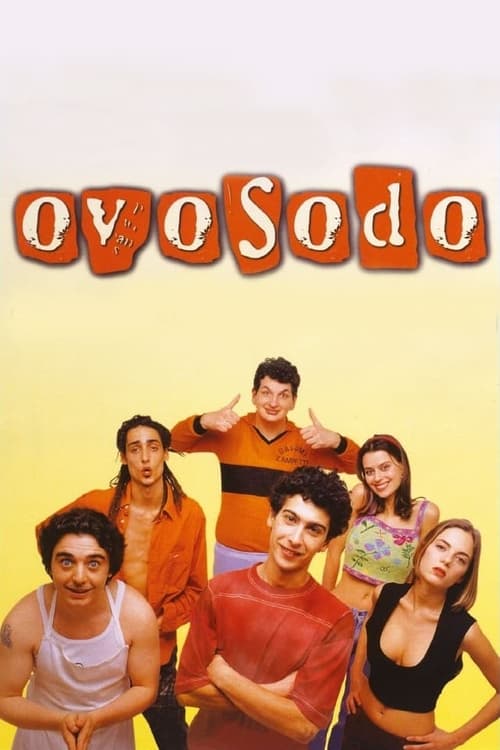
1997
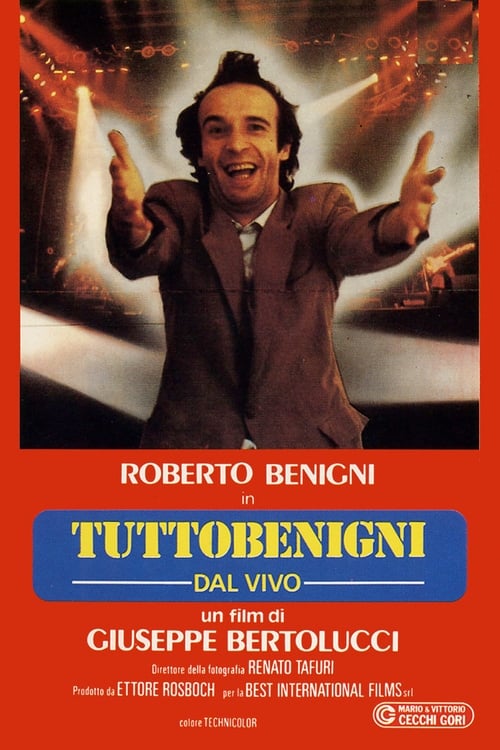
1983
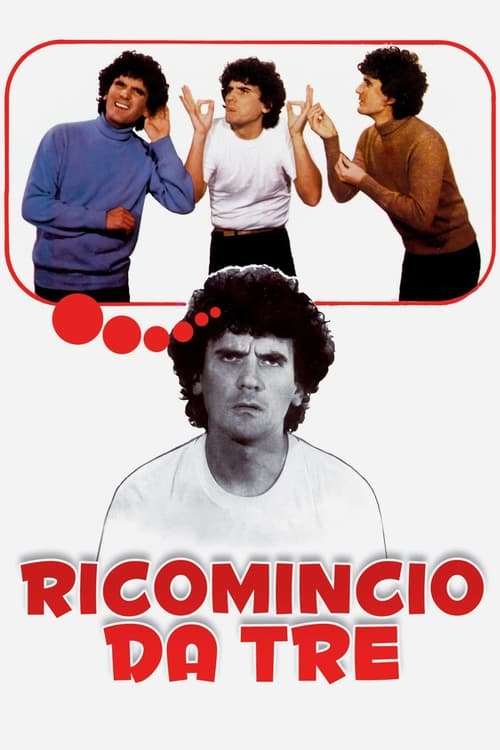
1981
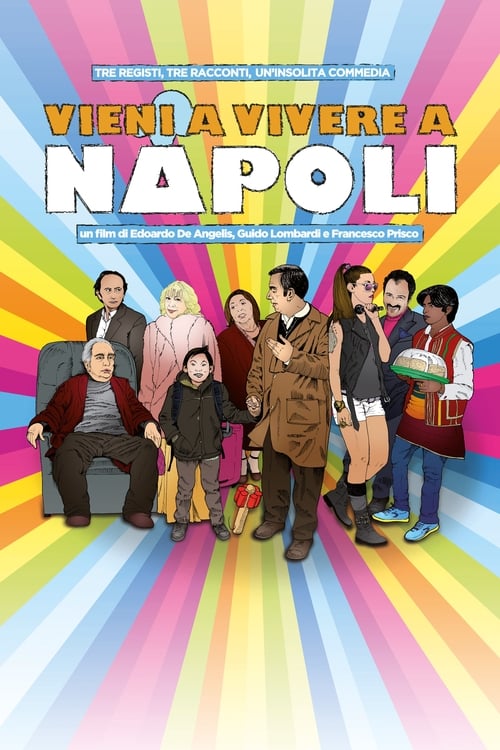
2017

2024

2020

2017
No reviews yet. Be the first to share your thoughts on this movie!
Use the rating form above to leave a star rating and optional review.