A Piece of Sky
1980
No user ratings available yet
Representation score: 5.6 out of 10
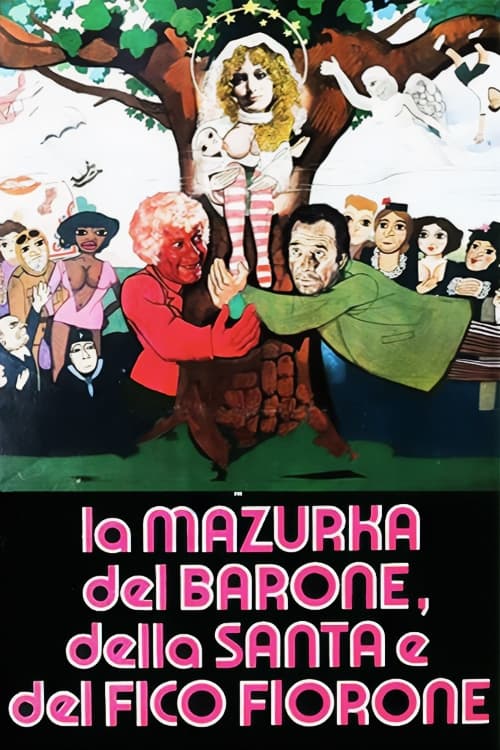
Representation Score
Good
1975
Director
Pupi Avati
Runtime
110 minutes
Average Rating
No ratings yetNew Showbiz Analysis
Pupi Avati’s film dismantles institutional authority, particularly targeting the corruption within the Church and the aristocracy. By focusing on a disabled man and a prostitute, the film shifts power from traditional sources to underrepresented individuals. Though the film lacks racial and LGBTQ+ visibility, it excels in its psychological depth. The protagonist's skepticism and vulnerability create a nuanced portrayal of a man caught between personal desires and societal exploitation. Ultimately, the film is a character-driven critique of dogma. It emphasizes subjective experience and moral relativism over the rigid structures of 1970s provincial life.
Category Breakdown
The film doesn't explicitly include LGBTQ+ identities or same-sex relationships. Instead, it challenges traditional norms by focusing on a prostitute and unconventional sexual behavior.
The story overturns traditional power structures by making a woman the key figure in the protagonist's journey. The Baron is shown as vulnerable, reversing typical patriarchal roles.
The film is set in a localized, homogeneous European environment. There is no indication of significant racial or ethnic diversity among the characters or the community.
The film provides a sophisticated look at institutional religion, showing clergy and relatives as self-serving. Traditional structures are portrayed as corrupt or exploitative.
The protagonist's physical disability is part of his complex psychological state. It serves as a core part of his identity rather than just a plot device for sympathy.
Present on Screen
Limited or Absent
Official Synopsis
A fig tree growing in the estates of Baron Anteo Pellacani has been worshipped since the Middle Ages, after a Saint was supposedly martyred there. The Baron, who was crippled in a fig tree-related accident and has since become a raging atheist, vows to tear it down—until he mistakes a beautiful prostitute momentarily lying on the tree for the Saint herself, falling in love with her. Her pimp, his relatives and the clergy try to take advantage of his newfound faith.
1980
1976

2005
1960
2003

1975
1963
1971
No reviews yet. Be the first to share your thoughts on this movie!
Use the rating form above to leave a star rating and optional review.