UN Sex Abuse Scandal
2018
No user ratings available yet
Representation score: 9.2 out of 10
Representation Score
Limited
2012
PG-13Director
Matthew Groff, Ami Horowitz
Runtime
90 minutes
Average Rating
No ratings yetNew Showbiz Analysis
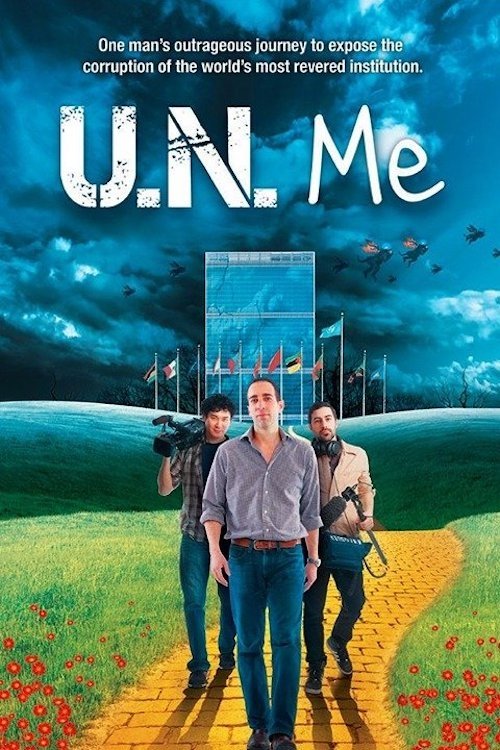
U.N. Me is a documentary that prioritizes the critique of international peacekeeping and globalist institutions over the exploration of diverse identities. While the film provides a platform for voices affected by crises in the Global South, it lacks intentional representation of social identities. The work emphasizes a critique of global institutions over addressing traditional demographic hierarchies.
Category Breakdown
The film is a geopolitical documentary focusing on international humanitarian law. It does not include any LGBTQ+ characters or stories centered around non-cisgender identities.
The film highlights systemic issues within the United Nations and military interventions. It does not focus on gendered power dynamics or subvert traditional hierarchies. Instead, it presents the actions of institutions rather than individual genders.
The documentary brings attention to non-Western populations in Côte d'Ivoire, Iraq, and Rwanda. It documents the suffering of these communities but maintains an observational stance rather than engaging with their experiences directly.
The film critiques Western-led international institutions and their systemic failures. It focuses on the effectiveness of globalist structures rather than on identity-based empowerment or progressive cultural frameworks.
The film does not address neurodivergence, physical disabilities, or mental health conditions. These themes are not part of the central narrative or character development.
Present on Screen
Limited or Absent
Official Synopsis
Documentary filmmaker Ami Horowitz takes us on a brutal tour of a number of places where the UN has intervened. Through interviews with those involved - some of whom wish to remain anonymous - and archive footage, he uncovers facts about manifest abuses and scandals surrounding UN missions and personnel. Such as a "forgotten" shooting in Côte d'Ivoire, during which UN soldiers opened fire on unarmed demonstrators. Or the "Oil for Food" program in Iraq, which resulted in the wrong people reaping the benefits. Horowitz also addresses the harrowing case of the UN soldiers who stood by, powerless, during the genocide in Rwanda.
2018
2012

2022
2008
2007
2013
2022
2012
No reviews yet. Be the first to share your thoughts on this movie!
Use the rating form above to leave a star rating and optional review.