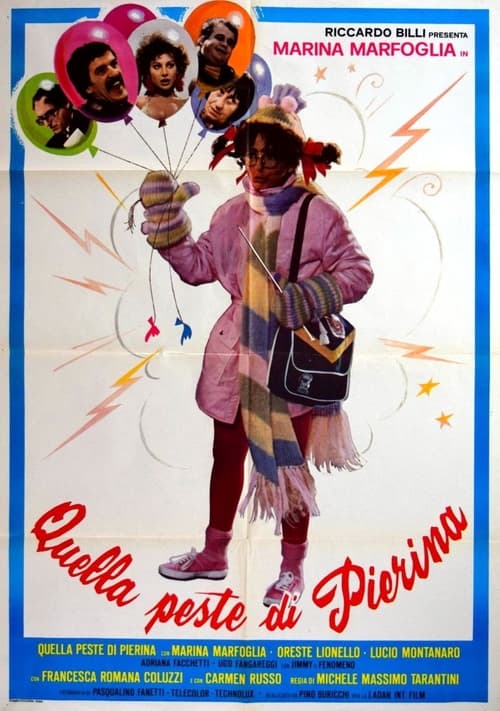
Quella peste di Pierina
1982
No user ratings available yet
Representation score: 2.0 out of 10

Representation Score
Minimal
1981
Director
Michele Massimo Tarantini
Runtime
87 minutes
Average Rating
No ratings yetNew Showbiz Analysis
Cream, Chocolate and... Paprika is a product of the early 1980s Italian comedy tradition, adhering strictly to the commercial clichés of its era. The film functions as a standard genre piece that reinforces established social and demographic norms rather than challenging them. The narrative lacks depth in representing multiple aspects of identity, focusing instead on localized, middle-class settings. It provides little to no representation for LGBTQ+ identities, diverse racial backgrounds, or characters with disabilities, resulting in a very narrow social scope. Ultimately, the film serves as a time capsule of its period, prioritizing slapstick and situational humor over the deconstruction of social hierarchies or the inclusion of underrepresented perspectives.
Category Breakdown
The film adheres to traditional social norms and does not include any characters with non-binary gender identities or LGBTQ+ backgrounds. It does not explore stories or roles that challenge the assumption that everyone is straight or cisgender.
The film maintains conventional gender roles and dynamics. It does not significantly challenge or subvert traditional gender hierarchies through its character roles.
The cast appears ethnically uniform, reflecting the Italian domestic comedy market of 1981. There is no indication of non-white protagonists or diverse casting.
The story focuses on localized, bourgeois settings within the Italian middle class. It does not engage with secularism or critiques of Western institutions.
There is no mention of characters with visible or invisible disabilities. Disability is not used as a narrative device or a tool for character's ability to drive the story.
Present on Screen
Limited or Absent
Official Synopsis
Professor Bonifazi runs a luxury clinic owned by his wife.
1982

1980

1981
1983
1981

1980
1977
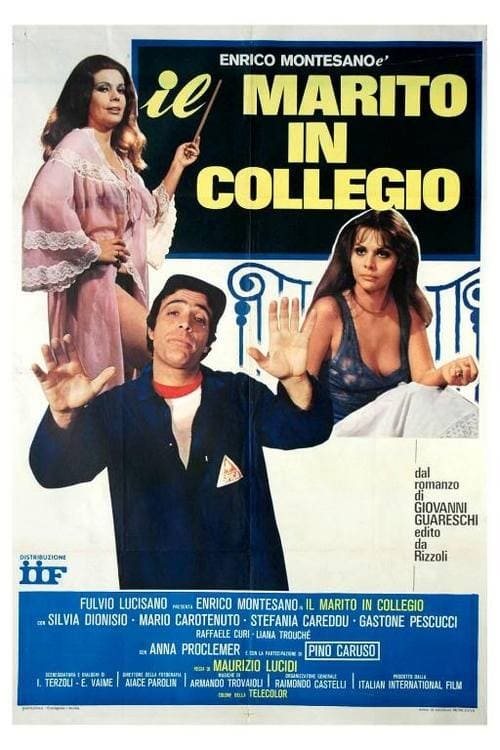
1977
No reviews yet. Be the first to share your thoughts on this movie!
Use the rating form above to leave a star rating and optional review.